




Hezbollah’s $400–$4,000 drones challenge Israeli military superiority
- In Reports
- 01:29 PM, May 02, 2026
- Myind Staff
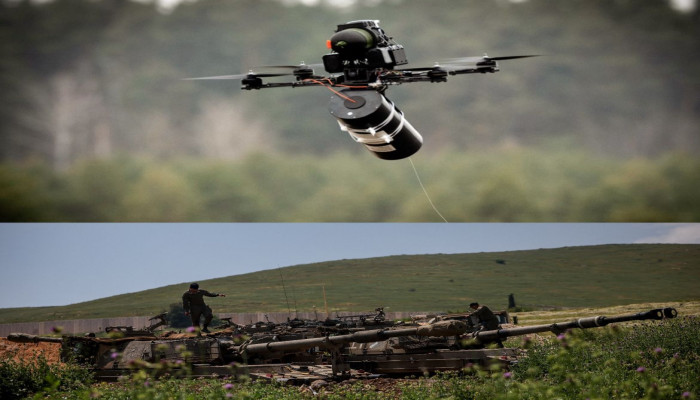
Hezbollah is using low-cost fibre-optic drones that are creating serious challenges for Israeli military operations in southern Lebanon. These drones are forcing Israeli forces to rethink their strategies as they face a threat that is both simple and effective. Experts say the cost of assembling these drones can range from a few hundred dollars to around $4,000, depending on the quality and type of components used.
The use of these drones has increased concerns about how modern armies deal with low-tech but dangerous weapons. Despite being considered one of the most advanced militaries in the world, the Israeli military is facing difficulties in responding to this new type of attack. The situation highlights a gap between advanced defence systems and the ability to counter small, inexpensive devices.
Recent incidents underline the seriousness of the threat. The Israeli military has confirmed that two soldiers and one civilian contractor were killed in explosive drone attacks within a week. Several others were also injured. These attacks have taken place even though a ceasefire has been in place since mid-April, raising questions about the effectiveness of current security measures on the ground.
The drones used by Hezbollah are not complex machines. They are described as small, affordable, and easy to access. Their simplicity is what makes them dangerous. They do not require advanced technology or large investments, yet they are capable of causing significant damage. This combination of low cost and high impact makes them a difficult threat to counter.
Orna Mizrahi, a senior researcher at Institute for National Security Studies, explained the nature of these devices. She said they are like "children's toys", highlighting how simple and basic they appear. However, their impact on the battlefield is far from minor. Their design allows them to be used effectively in combat situations, especially in areas where traditional defence systems may not detect or stop them easily.
Mizrahi also pointed out a key issue in how the Israeli military is handling this threat. She said, "does not have nowadays any response for that, because they didn't prepare themselves for such low-tech explosives". This statement reflects a broader challenge faced by many modern armies. While they invest heavily in advanced technologies, they may overlook simpler threats that can still cause harm.
The repeated use of these drones shows how warfare is changing. Groups like Hezbollah are finding new ways to use basic technology to their advantage. Instead of relying only on expensive weapons, they are turning to affordable tools that can still achieve strategic goals. This shift is forcing stronger militaries to adapt quickly or risk being caught off guard.
The situation in southern Lebanon is a clear example of this evolving threat. Israeli troops are now dealing with attacks that are hard to predict and difficult to stop using existing systems. The fact that these incidents have occurred during a ceasefire adds another layer of concern. It suggests that such threats can continue even in periods of reduced conflict.
Overall, Hezbollah’s use of fibre-optic drones highlights a growing challenge in modern warfare. It shows that advanced military strength does not always guarantee protection against simple but effective weapons. The Israeli military now faces the task of developing new methods to counter these threats while adapting to a changing battlefield environment.
The development also raises broader questions about the future of conflict. As technology becomes more accessible, even low-cost tools can be turned into weapons. This trend could make conflicts more unpredictable and harder to control. For now, the focus remains on how the Israeli military will respond to this emerging challenge and whether it can quickly adjust its strategies to deal with these low-tech but deadly devices.



 Loading...please wait
Comments