



Gulf leaders meet in Saudi Arabia as Iran conflict raises fears of wider war
- In Reports
- 06:52 PM, Apr 29, 2026
- Myind Staff
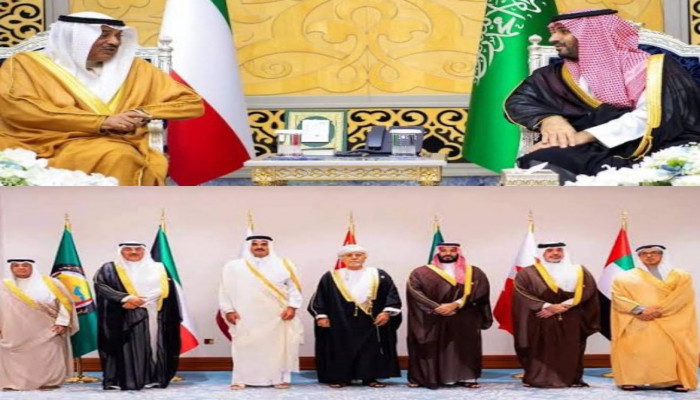
Leaders from Gulf nations gathered in Saudi Arabia for a high-stakes meeting to decide their response to the ongoing conflict involving Iran. The talks were held under the framework of the Gulf Cooperation Council (GCC) at a time when tensions remain high despite a temporary pause in fighting. The meeting reflects growing concern that the situation could escalate further and pull more countries into direct conflict.
The in-person summit took place in Jeddah and marked the first time Gulf heads of state met after their countries were directly affected by the conflict. The crisis began after US and Israeli strikes on Iran on February 28. Since then, several Gulf nations have faced missile and drone attacks. These strikes have targeted key infrastructure across the region, including energy facilities, military bases, and civilian areas. Countries such as the UAE, Bahrain, Kuwait, Qatar, Saudi Arabia, Iraq, and Oman have all been impacted. Some of the affected sites were also linked to US operations in the region.
The meeting was chaired by Saudi Crown Prince Mohammed bin Salman, according to Saudi state media. Leaders from across the Gulf attended the discussions in Jeddah. The focus of the talks was the rapidly changing situation and how member countries can better coordinate their next steps. The aim was to find a unified approach at a time when security concerns are rising.
The United Arab Emirates was represented at the summit by Sheikh Abdullah bin Zayed, who attended on behalf of the country’s president. A Gulf official, speaking anonymously to Reuters, said that the main goal of the meeting was to prepare a joint response after thousands of Iranian missile and drone attacks hit Gulf nations in recent weeks. The scale of these attacks has raised alarm across the region.
Although a ceasefire between the United States and Iran came into effect on April 8 and reduced large-scale attacks, the situation remains uncertain. There is still concern about how long the calm will last. The fragile nature of the ceasefire has kept tensions alive, with countries closely watching any developments that could trigger another round of violence.
The meeting also highlighted internal divisions within the Gulf bloc. The UAE has openly criticised what it sees as a weak collective response from the GCC. Senior UAE official Anwar Gargash expressed strong views on the matter.
"It is true that, logistically, the GCC countries supported each other, but politically and militarily, I think their position was the weakest in history," Gargash said.
"I expected such a weak position from the Arab League, and I am not surprised by it, but I have not expected it from the GCC, and I am surprised by it."
These remarks point to growing frustration within the group and suggest that not all members agree on how to handle the crisis. The situation became more complicated after the UAE decided to leave OPEC and OPEC+. This move has affected the oil-producing alliances and dealt a setback to Saudi Arabia, which plays a leading role in these groups. The timing of the exit is significant, as the conflict with Iran has already disrupted energy markets and created uncertainty in the global economy.
Earlier in the day, Qatar also raised concerns about the direction of the conflict. A spokesperson from Qatar’s foreign ministry warned against the risks of a prolonged situation without a clear resolution.
"We do not want to see a return to hostilities in the region anytime soon; we do not want to see a frozen conflict that ends up being thawed every time there is a political reason," the spokesperson said.
"Our position has been clear from day 1. Any conflict in the region should be solved at the negotiation table. And we believed in the negotiation process and we were supportive of the negotiation process and we will remain supportive of a diplomatic resolution," he added.
The urgency of the summit is closely linked to the recent wave of attacks on Gulf countries. These developments have increased fears that the region could be drawn deeper into the conflict. Iran has defended its actions, with its foreign minister telling the United Nations Security Council that the country would "exercise its right of self-defence". At the same time, the Islamic Revolutionary Guard Corps has issued warnings that all Israeli and US military assets in the region are legitimate targets.
For now, Gulf nations are moving cautiously. Many of them rely on long-standing defence ties with the United States and depend on its military presence for security. At the same time, they are trying to avoid getting directly involved in a larger war. The situation remains delicate, with leaders attempting to balance security concerns with the need to prevent further escalation.



 Loading...please wait
Comments