




Gujarat High Court upholds death sentences of 38 convicts in Ahmedabad blast case
- In Reports
- 01:23 PM, Jul 07, 2026
- Myind Staff
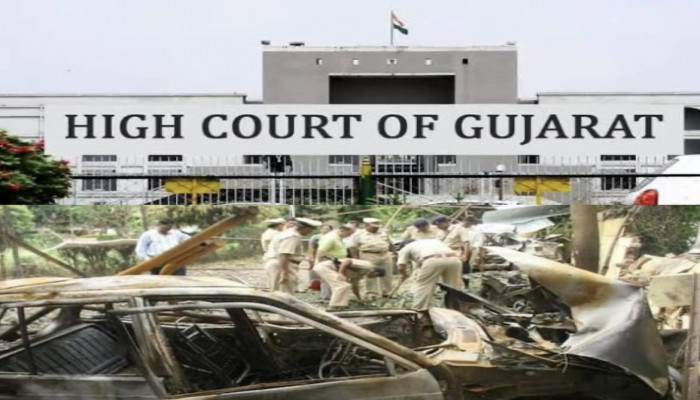
The Gujarat High Court on Tuesday upheld the death sentences of 38 convicts and the life imprisonment awarded to 11 others in the 2008 Ahmedabad serial blasts case. The court confirmed the 2022 judgment of a special court, which had convicted members of the terror outfit Indian Mujahideen (IM) for their role in one of India's deadliest terror attacks.
A division bench of Justices A.Y. Kogje and Samir Dave dismissed all the appeals filed by the convicts against the special court's verdict. With this decision, the High Court affirmed the convictions and the sentences awarded to all 49 convicts.
The case relates to the serial bomb blasts that struck Ahmedabad on July 26, 2008. A total of 21 explosions took place at different locations across the city within 70 minutes. The coordinated attacks killed 56 people and injured more than 200 others. The attackers also targeted hospitals where the injured victims had been taken for treatment.
In February 2022, a special court sentenced 38 convicts to death and awarded life imprisonment to 11 others. The court described the case as falling under the “rarest of rare" category. The convicts later challenged the judgment before the Gujarat High Court. After hearing the appeals, the High Court rejected them and upheld the sentences awarded by the trial court.
The latest ruling marks a major development in the case, nearly 18 years after the serial blasts shook Gujarat's largest city. The judgment brings another significant step in the long legal process related to the terror attack.
The Ahmedabad serial blasts took place on July 26, 2008, just a day after coordinated bomb explosions hit Bengaluru. In Ahmedabad, the first blast occurred at around 6:45 pm. Over the next hour, 21 low-intensity bombs exploded at 14 different locations across the city. The attacks claimed 56 lives and left more than 200 people injured.
The blasts targeted several crowded areas, including Maninagar, Raipur, Bapunagar, Hatkeshwar Circle, Sarkhej, Thakkarbapa Nagar, Khadia, Sarangpur, Jawahar Chowk, Isanpur, Govindwadi and Narol. The attackers also planted bombs at Ahmedabad Civil Hospital. Two hospitals treating the injured victims also came under attack during the coordinated operation.
Investigators said the conspiracy behind the blasts began during a secret training camp organised by the banned Students Islamic Movement of India (SIMI) in December 2007 in Kerala's Ernakulam district. According to the investigation, SIMI chief Safdar Nagori led the camp. Around 50 participants from different states, including Gujarat, attended the camp and received arms and physical training.
Just minutes before the first explosion, several media organisations received an email claiming responsibility for the attacks and warning about the blasts.
The banned terror outfit Indian Mujahideen later claimed responsibility for the serial bombings. The group described the attacks as “revenge for the 2002 Gujarat riots."
People present near the blast sites said they temporarily lost their hearing due to the powerful explosions. The blasts created panic across the city as emergency teams rushed to rescue the victims and shift the injured to hospitals.
The case also saw a dramatic turn during the trial. According to investigators, 24 accused tried to escape from prison by digging a 213-foot tunnel. Authorities detected the escape plan before the accused could flee and successfully foiled the attempt.
With the Gujarat High Court dismissing all appeals, the death penalty for 38 convicts and life imprisonment for 11 others remain in force. The judgment reinforces the findings of the special court and closes another important chapter in the long-running legal proceedings related to the 2008 Ahmedabad serial blasts case.



 Loading...please wait
Comments