



Gujarat Court convicts journalist Ravi Nair in Adani Group defamation case
- In Reports
- 05:46 PM, Feb 11, 2026
- Myind Staff
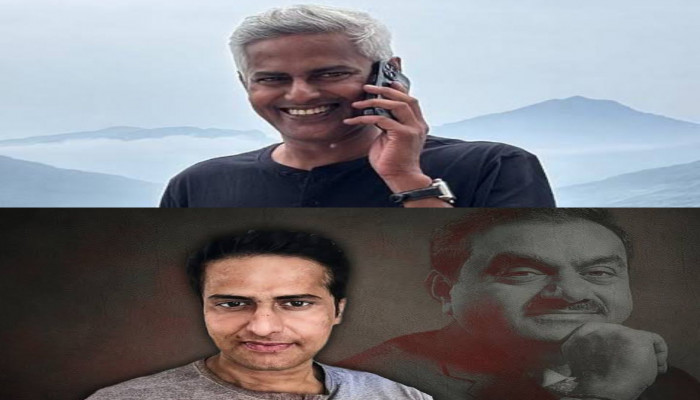
A Gujarat court has convicted journalist Ravi Nair in a criminal defamation case filed by the Adani Group for tweets and online articles published against the company. The court held that Nair’s posts crossed the boundary of criticism and amounted to criminal defamation.
The court sentenced Nair to one year of imprisonment and imposed a fine of ₹5,000 in the matter titled Adani Enterprises Limited vs. Ravi Nair. The court stated that the tweets and articles made serious allegations against the Adani Group and were not protected as fair criticism.
According to the case details, the Adani Group had filed a criminal complaint in September 2021. The company claimed that between October 2020 and July 2021, Nair posted multiple tweets from his X (formerly Twitter) handle and also published articles on a website called “adaniwatch.org.”
The Adani Group alleged that these tweets and articles accused the company of corruption, crony capitalism, manipulation of environmental laws, misuse of government agencies, and unethical business practices. The company argued that these allegations were false and unverified and were published with the intention of damaging its reputation.
It also claimed that such accusations could affect the company’s image among investors, regulators, financial institutions, and the general public. The Adani Group stated that it operates in highly regulated sectors, and therefore, such allegations directly harm its credibility and goodwill.
On the other hand, journalist Ravi Nair denied the allegations. He argued that his posts were part of journalistic commentary and were related to matters of public interest. He stated that the tweets were based on information already available in the public domain and were protected under the right to free speech.
Nair also claimed that his publications were fair criticism and did not amount to defamation.
However, the court rejected his defence and ruled that the tweets and articles were not just expressions of opinion or criticism of policy. The court said the content made “direct and categorical allegations of illegality, corruption, and cronyism” against the Adani Group.
The court also made a contextual observation and stated that the allegations were presented as statements of fact rather than opinion, and they were made without proper verification.
The court held that the publications were capable of harming the reputation of Adani Enterprises. It further noted that Nair failed to prove that his statements were true, made in good faith, or protected by law.
The court also observed that freedom of speech does not give anyone the right to make unverified allegations that can harm the reputation of others, including corporate entities.
As a result, the court sentenced Nair to one year of simple imprisonment and imposed a fine of ₹5,000.
The court also refused to grant probation to Nair. While denying probation, it stated that Nair projected himself as a journalist and therefore was expected to understand the impact and consequences of publishing serious allegations on digital platforms.



 Loading...please wait
Comments