




Growing radicalisation in Bangladesh may spill over into India, warn intelligence sources
- In Reports
- 05:31 PM, Sep 02, 2026
- Myind Staff
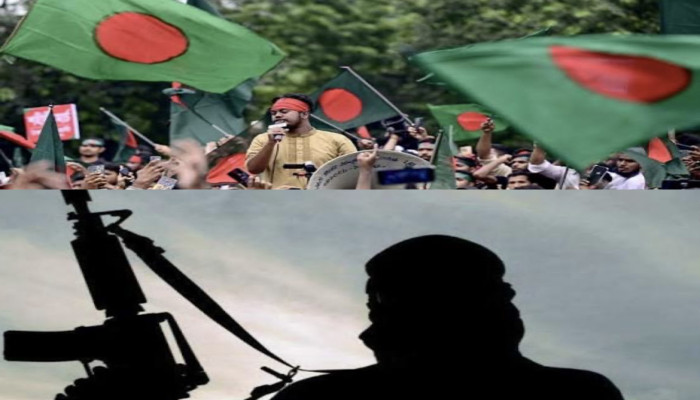
Former Bangladesh Foreign Minister Dr. A.K. Abdul Momen has urged the United Nations to intervene in Bangladesh, warning about growing radicalisation, jihadi extremism and weapons proliferation. In an official appeal to UN Secretary-General António Guterres, Momen has raised concerns over the worsening political and security situation in the country.
Momen has specifically highlighted the spread of jihadi extremism, radicalisation and weapons in rural areas following recent political transitions in Bangladesh. He has also called for a UN audit into alleged human rights violations, custodial deaths and severe overcrowding in Bangladeshi prisons.
The former foreign minister has claimed that around 400,000 detainees are being held without bail or formal charges. These figures and allegations have not been independently verified and would require an impartial assessment.
Top intelligence sources monitoring developments in the region have warned of a possible security spillover into India if instability and radicalisation continue to grow in Bangladesh. The issue is particularly important for India due to Bangladesh’s proximity to the strategically sensitive Siliguri Corridor, popularly known as the Chicken’s Neck.
Indian security agencies fear prolonged instability could create security gaps along the region. Hostile external actors may try to exploit such vulnerabilities. Agencies are also closely examining reports about weapons entering circulation after the looting of armouries in Bangladesh.
Intelligence assessments cited by sources suggest that some looted or smuggled weapons could enter India’s grey arms market. Such weapons could eventually reach insurgent groups in the Northeast or organised criminal networks. This has increased concerns about the possible impact of Bangladesh’s internal security situation on India.
Indian security agencies are also keeping a close watch on Bangladesh-based extremist groups. These include Jamaat-ul-Mujahideen Bangladesh (JMB), its splinter group Neo-JMB and Ansarullah Bangla Team, also known as Ansar al-Islam.
Sources say these groups have relied on both online and offline methods to spread radical ideas. Their activities have raised concerns about the possible movement of extremist networks and narratives into Indian border districts.
The threat is not restricted to terrorism. Security agencies are also assessing whether radicalisation networks could fuel communal tensions and disturb social harmony in vulnerable areas. Agencies are examining alleged links between domestic extremist outfits and wider transnational jihadist networks, including groups associated with Al-Qaeda in the Indian Subcontinent (AQIS) and ISIS.
Reports of attacks and intimidation targeting Hindus, Buddhists and Christians in Bangladesh have added to India’s concerns. Indian security circles fear extremist narratives could cross the border and increase communal tensions in sensitive areas.
For New Delhi, the situation extends beyond Bangladesh’s internal political crisis. The combination of political instability, radicalisation, weapons proliferation, extremist networks and vulnerabilities along the border could create a wider security challenge for India.
The biggest concern is a possible convergence of jihadi networks, illegal arms trafficking, organised crime and hostile external actors. Such a combination could increase risks for India’s border regions and internal security. Indian security agencies are closely monitoring developments in Bangladesh.



 Loading...please wait
Comments