




Government mandates switch to piped gas: Centre orders transition to PNG wherever feasible
- In Reports
- 05:30 PM, Mar 25, 2026
- Myind Staff
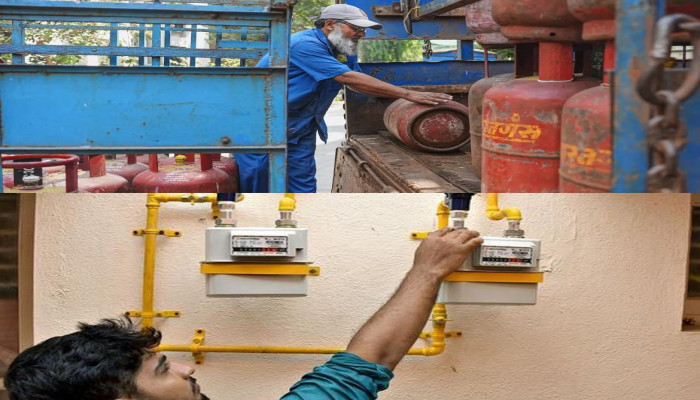
The government is preparing to stop the supply of LPG cylinders to households that refuse to shift to piped natural gas (PNG), as part of a larger strategy to reduce dependence on imported fuel and manage supply pressures. This move comes at a time when global energy markets remain uncertain, especially due to geopolitical tensions affecting oil and gas supplies. The policy aims to encourage more urban households to adopt PNG connections, which are considered more stable and efficient.
Officials have indicated that the directive is not sudden but part of a gradual transition already in motion. Many cities have been expanding their PNG networks over the past few years, and authorities now want households in these areas to fully adopt the system. The idea is to reduce the burden on LPG distribution, which has been facing logistical challenges due to increased demand and external supply constraints.
The backdrop to this decision includes ongoing global disruptions in energy supply chains. The situation has been further complicated by tensions involving Iran, which have affected the availability and pricing of LPG in international markets. As India relies heavily on imports for LPG, any disruption creates pressure on domestic supply and pricing. By pushing PNG, the government aims to create a more reliable and locally manageable system.
Sources in the government have suggested that households already covered under PNG networks will be the first to face restrictions on LPG supply if they do not switch. Authorities believe that continuing dual systems in such areas leads to inefficiencies and unnecessary strain on resources. The transition is expected to be implemented in phases, allowing consumers time to adjust.
An official was quoted as saying, “The move is aimed at ensuring efficient use of resources and reducing dependency on LPG imports.” Another official added, “Households in areas where PNG infrastructure is available are expected to shift, as continuing LPG supply there is not sustainable in the long run.” These statements underline the government’s intention to streamline energy distribution while addressing supply concerns.
The government also sees PNG as a safer and more convenient alternative for consumers. Unlike LPG cylinders, which require regular refilling and transportation, PNG is supplied directly through pipelines. This reduces the risks associated with the storage and handling of cylinders. It also ensures a continuous supply, which can be more reliable for daily cooking needs.
However, the proposed move may face resistance from some households. Many consumers are accustomed to LPG and may be hesitant to switch due to installation costs or lack of awareness about PNG benefits. There are also concerns about whether the existing PNG infrastructure can handle a sudden increase in demand if the policy is enforced strictly.
To address these concerns, officials have hinted at awareness campaigns and possible incentives to encourage the transition. The focus will be on educating consumers about long-term cost savings and safety advantages. Authorities may also work with local bodies and gas distribution companies to ensure a smooth rollout.
The decision reflects a broader shift in India’s energy policy towards more sustainable and efficient systems. By reducing reliance on imported LPG and promoting PNG, the government hopes to strengthen energy security and reduce vulnerability to global disruptions. The coming months will be crucial in determining how effectively this transition is implemented and how consumers respond to the change.



 Loading...please wait
Comments