




Global shipping shifts to Panama Canal amid ongoing Hormuz blockade
- In Reports
- 02:15 PM, Mar 21, 2026
- Myind Staff
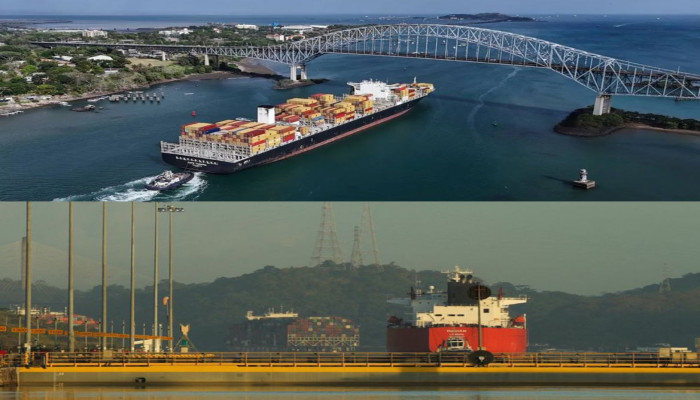
The Panama Canal is currently functioning at its highest capacity, as global shipping patterns shift due to the ongoing conflict involving Iran. The canal is handling around 36 to 38 vessels per day, reflecting a sharp rise in demand, especially from liquefied natural gas (LNG) carriers. This increase is directly linked to disruptions in traditional maritime routes caused by the war.
Canal administrator Ricaurte Vasquez stated, “We are operating at maximum capacity,” highlighting the pressure on the waterway. He explained that the Iran conflict has significantly influenced shipping decisions, particularly for LNG vessels departing from the United States. These ships are now increasingly choosing the Panama Canal route to avoid unstable regions.
The Strait of Hormuz, a key global energy corridor, has been heavily affected by the conflict. Due to rising security concerns and uncertainty in the region, many vessels are avoiding this route. As a result, LNG carriers are being redirected through longer but safer paths, including the Panama Canal. This shift has increased the canal’s importance in maintaining global energy supply chains.
Vasquez noted that the canal authority is adapting to this change by allocating more space for LNG shipments. Earlier, LNG vessels had limited access to transit slots. Now, the authority is planning to provide one dedicated slot per day for these carriers. This move is aimed at ensuring smoother and faster movement of energy shipments during this period of high demand.
Another factor supporting the canal’s increased activity is the improvement in water levels. The canal had previously faced restrictions due to drought conditions, which reduced the number of ships that could pass through. However, with water levels now stabilising, operations have returned to full capacity, allowing the canal to manage the surge in traffic efficiently.
Seasonal changes in shipping patterns have also contributed to this situation. Container traffic from Asia typically slows down during this time of the year. This has freed up additional transit slots, which are now being utilized by LNG carriers and other vessels. The combination of reduced container traffic and increased energy shipments has reshaped the canal’s daily operations.
Despite the rise in traffic, the Panama Canal Authority has assured that routine maintenance work will continue as planned without affecting operations. Maintenance activities are scheduled between March and September, but they will be managed carefully to avoid disruptions in vessel movement.
The ongoing Iran conflict has had a wider impact on global trade and energy markets. With traditional routes becoming risky, shipping companies are being forced to adjust their strategies. The Panama Canal has emerged as a critical alternative, helping to maintain the steady flow of LNG and other essential goods across regions.
In conclusion, the canal is playing a vital role in global logistics during this period of geopolitical tension. Its ability to handle increased traffic and adapt to changing demands has made it a key link in the global energy supply chain. As long as the conflict continues to affect major shipping routes, the Panama Canal is expected to remain under high demand.



 Loading...please wait
Comments