




Germany to repatriate 80% of Syrian refugees over the next three years
- In Reports
- 07:10 PM, Mar 31, 2026
- Myind Staff
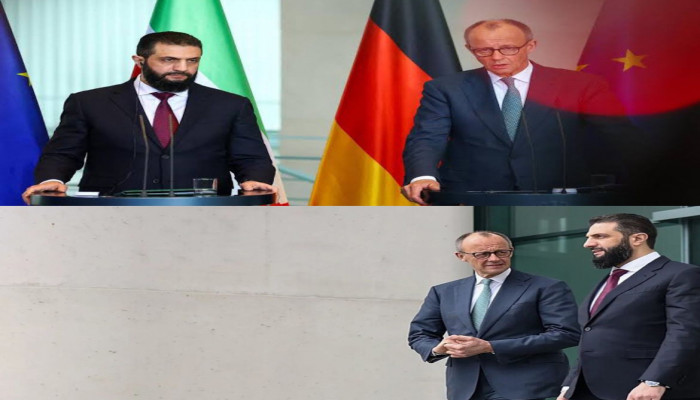
German Chancellor Friedrich Merz has announced that around 80% of the more than 900,000 Syrian refugees currently living in Germany are expected to return to Syria over the next three years. He made this statement during a meeting in Berlin with Syrian President Ahmed al-Shara. According to Merz, the Syrian leadership is also in favour of this move, seeing it as part of the country’s recovery process.
The German government is now working towards setting up what Merz described as a “reliable” system to manage the return of refugees. This plan will mainly focus on individuals who have committed crimes or do not have valid residence permits in Germany. The aim is to ensure that the repatriation process is organised and effective, while also aligning with legal and administrative frameworks.
Merz emphasised that those returning to Syria can play a key role in rebuilding the country after years of conflict and destruction. He pointed out that many sectors in Syria, including businesses, schools, kindergartens, and hospitals, have suffered severe damage during the war. By returning, Syrian citizens can contribute to restoring these essential services and support long-term recovery efforts.
To support this plan, the German Chancellor has proposed the creation of a joint working group. This group will include representatives from the Ministries of Interior and Economic Development from both countries. Its purpose will be to coordinate the return process and explore ways to make use of the current situation in Syria, which has reportedly improved one year after the fall of former President Bashar al-Assad’s regime.
Merz highlighted that the success of this initiative will depend largely on Syria’s internal progress. He stated, “Syria's political stability and economic growth will be decisive for the reconstruction to be successful,” underlining the importance of a stable environment for returning citizens. Without this, large-scale repatriation may face challenges.
He also pointed to new opportunities emerging in Syria’s economy. According to him, there is now a “favourable climate for investment in the country,” which could attract foreign businesses, including companies from Germany. This economic outlook is expected to support both reconstruction and job creation for those returning.
Overall, Germany’s plan reflects a shift towards encouraging refugee returns in coordination with Syria’s rebuilding efforts. While the proposal depends on stable conditions in Syria, it signals a significant policy direction aimed at long-term solutions for displaced populations.



 Loading...please wait
Comments