




From bullying to begging India to import Russian imports: Iran slams US for ‘double standards’
- In Reports
- 07:31 PM, Mar 14, 2026
- Myind Staff
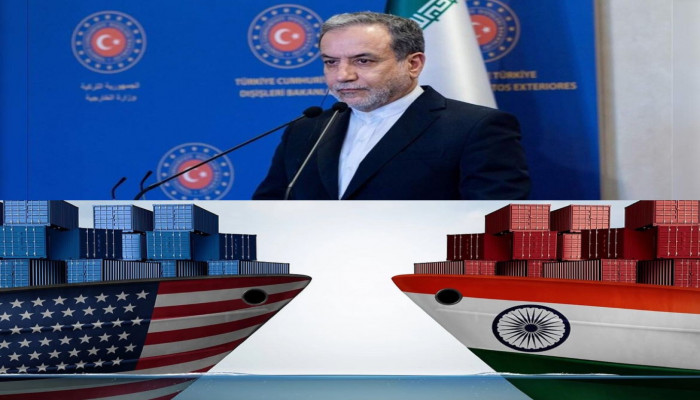
Iran has criticised the United States for what it calls inconsistent policies regarding Russian oil purchases, using India as an example to highlight the issue. Iran’s Foreign Minister, Seyed Abbas Araghchi, said that Washington had earlier pressured several countries, including India, to stop buying crude oil from Russia but is now encouraging the same countries to continue purchasing it. According to him, this shift shows a clear contradiction in the US approach to global energy politics.
Araghchi shared his remarks on social media, stating that for several months, the US had strongly pushed India to reduce or completely stop its imports of Russian oil. However, after tensions and conflict involving Iran intensified, the US appeared to change its position. He suggested that the White House is now asking countries around the world, including India, to keep buying Russian crude in order to maintain global supply. The Iranian minister argued that this sudden change reflects “double standards” in Washington’s policies and shows how geopolitical situations can quickly alter international energy strategies.
His comments come at a time when the global oil market is facing uncertainty due to rising tensions in West Asia. Disruptions and fears about supply routes have increased concerns over oil availability and prices. Because of these challenges, the US has allowed some flexibility in sanctions related to Russian oil, particularly for shipments that were already in transit. American officials have said that this step is intended to prevent a shortage in global oil supply and to avoid sharp increases in energy prices.
Under this temporary arrangement, India has been permitted to buy certain cargoes of Russian crude oil that were already at sea. US authorities explained that the decision was taken as a short-term measure to stabilise the global oil market during the ongoing regional crisis. They clarified that the move does not represent a permanent shift in their policy toward Russia but rather an attempt to manage immediate supply concerns.
The debate highlights the complex nature of global energy politics, where geopolitical tensions, sanctions, and market stability often intersect. Iran’s criticism reflects broader disagreements about how international rules and policies are applied, especially when countries adjust their strategies to respond to changing economic and security conditions.



 Loading...please wait
Comments