



Former PM Oli arrested over Gen Z protests crackdown, a day after Balen Shah takes office
- In Reports
- 12:04 PM, Mar 28, 2026
- Myind Staff
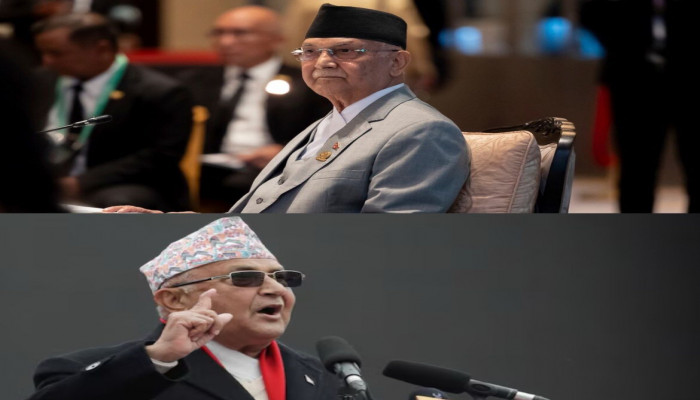
Former Nepal Prime Minister KP Sharma Oli was arrested early on Saturday in connection with a culpable homicide case linked to the violent suppression of the September 2025 ‘Gen Z’ protests. The arrest comes just one day after Balen Shah, a rapper-turned-politician, was sworn in as the new Prime Minister of Nepal, marking a dramatic political shift in the country.
Along with Oli, Nepali Congress leader and former Home Minister Ramesh Lekhak was also taken into custody in the same case. Both leaders were arrested from their respective residences in Bhaktapur. Officials have indicated that they are likely to be charged under legal provisions that carry a maximum punishment of up to 10 years in prison if found guilty.
The case stems from the large-scale youth-led protests that swept Nepal in September 2025. Known as the ‘Gen Z revolution’, the movement began as a call for digital freedom but quickly grew into a broader anti-government uprising. Protesters voiced strong anger over corruption, unemployment, poor governance, and ongoing political instability during Oli’s tenure. What started as peaceful demonstrations soon turned tense as authorities responded with force.
The government’s crackdown on the protests led to widespread violence. At least 76 people lost their lives during the unrest, while more than 2,000 others were injured. The scale of the violence shocked the nation and intensified public criticism of the government’s handling of the situation. The protests ultimately forced Oli to step down from power.
Oli’s arrest follows the findings of a high-level commission set up to investigate the violence during the protests. The panel recommended legal action against the former prime minister, holding him accountable for failing to prevent the use of excessive force. According to the report, Oli did not act in time to stop hours of firing by security forces on the first day of demonstrations, which resulted in the deaths of at least 19 protesters.
The commission clearly stated, “As the executive head, Oli should be held responsible for anything, good or bad.” This observation formed the basis for recommending prosecution against him. Apart from Oli and Ramesh Lekhak, the panel also called for action against the then police chief, Chandra Kuber Khapung, along with several other officials involved in handling the protests.
Oli, however, strongly rejected the findings of the commission. Responding to the report, he said, “The report is extremely negligent, amounts to character assassination, and reflects hate politics. It is regrettable,” as quoted by the Annapurna Post in its online edition. His remarks indicate that he views the investigation as politically motivated rather than a fair assessment of events.
The Communist Party of Nepal (Unified Marxist-Leninist), which Oli leads, has also reacted sharply to his arrest. The party described the move as an act of political vendetta. Following the development, it convened an emergency meeting to discuss its response and future course of action. All key office-bearers were called to attend the meeting at the party headquarters.
Senior leaders within the party have openly questioned the timing and intent of the arrest. Deputy General Secretary Yogesh Bhattarai stated that the development reflects political bias. Similarly, senior leader and former Foreign Minister Pradeep Gyawali called the move unjustifiable. He added that the party would take a final decision after detailed internal discussions.
If the recommendations of the commission lead to formal prosecution and the accused are found guilty by a court, Oli, Lekhak, and others named in the report could face prison sentences of up to 10 years. The case is likely to have major political and legal implications in the coming months.
The arrest also comes in the backdrop of a significant electoral defeat for Oli. In the general elections held on March 5, he lost to Balen Shah, the leader of the Rastriya Swatantra Party, in the Jhapa-5 constituency. This seat had long been considered a stronghold of Oli’s party. The loss reflected a major shift in voter sentiment and growing support for alternative leadership.
The rapid sequence of events—from Shah’s swearing-in to Oli’s arrest—signals a turning point in Nepal’s political landscape. As the investigation moves forward, attention will remain focused on how the legal process unfolds and how it shapes the country’s political future.



 Loading...please wait
Comments