




Former BNP veteran Mirza Fakhrul Alamgir elected as Bangladesh’s 23rd President
- In Reports
- 08:10 PM, Aug 21, 2026
- Myind Staff
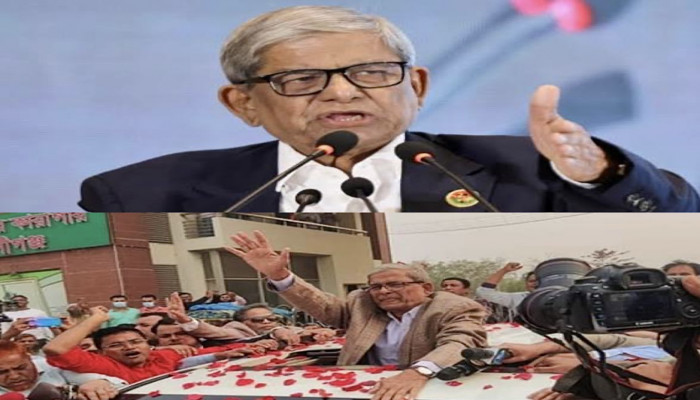
Veteran Bangladesh Nationalist Party (BNP) leader Mirza Fakhrul Islam Alamgir has been elected as the 23rd president of Bangladesh. He defeated his only rival, Col (Retd) Oli Ahmad, who contested as the candidate of the Jamaat-e-Islami-led 11-party opposition alliance. Alamgir secured 255 votes, while Ahmad received 88 votes, according to Bangladesh Sangbad Sanstha (BSS).
The presidential election marked a major departure from the usual practice in Bangladesh. Presidents have generally been elected through consensus, with candidates winning the post without a contest. This was the first presidential election in 35 years to see a direct contest, with Jamaat also fielding a candidate against the BNP nominee.
Former Chief Advisor of Bangladesh, Muhammad Yunus, congratulated Alamgir on his election as the country's 23rd president. The Election Commission is scheduled to publish the official election result in a gazette today.
The last contested presidential election in Bangladesh took place on October 8, 1991. BNP candidate Abdur Rahman Biswas defeated Awami League candidate Badrul Haider Chowdhury in that election and became the country's 11th president. Since then, every presidential election has been uncontested. A single candidate was elected each time, so voting was not required.
The newly elected president is expected to take the oath on Friday evening. Banga Bhaban, the official residence of the Bangladesh president, is making arrangements for the ceremony.
Elections are being held following the resignation of Mohammed Shahabuddin from the presidency on July 24 this year. Speaker Hafiz Uddin Ahmad then took charge as acting president. Shahabuddin resigned around two years before the completion of his term. He had remained the only constitutional office holder to continue in his position after the Sheikh Hasina government was removed from power in August 2024.
Shahabuddin had reportedly spoken to former Prime Minister Sheikh Hasina over the telephone while she was abroad. The incident triggered renewed demands for his resignation. His departure created a vacancy in the country's highest constitutional office and led to the presidential election.
The Bangladesh Constitution sets a specific timeline for filling the post. Under Article 123(2), an election to fill a vacant presidency must take place within 90 days of the office becoming vacant due to resignation. Members of Parliament voted through an open ballot to elect the country's 23rd president.
Alamgir, 78, was serving as the Minister for Local Government, Rural Development and Cooperatives, also known as the LGRD and cooperatives minister. He was also serving as the secretary general of the BNP. His long association with the party has made him one of its most prominent leaders.
Alamgir played a key role in leading the BNP on the ground during a period when Prime Minister Tarique Rahman was forced into exile. He became the party's main visible leader in Bangladesh while working under the guidance of the then acting BNP chairman from London. After Rahman was elected president this year, Alamgir joined the cabinet as a minister. He has since remained a close aide of the prime minister.
Before entering politics, Alamgir worked as a teacher. After Bangladesh gained independence in 1971, he joined the teaching profession in 1972. He taught at several government colleges, including Dhaka College, his alma mater.
Alamgir left government service in 1986 and entered mainstream politics. Two years later, he was elected municipal chairman of his hometown, Thakurgaon, in northwestern Bangladesh. The post is now known as mayor.
His rise within the BNP continued over the following decades. In 2011, then BNP chief and former prime minister Begum Khaleda Zia appointed him acting secretary general of the party. He was later made the permanent secretary general.
Alamgir was born on January 26, 1948, in the Kalibari area of Thakurgaon, a district in northern Bangladesh. His election now brings his long political career to the country's highest constitutional office.
His victory also makes the latest presidential election significant in Bangladesh's political history. The contest between the BNP and the Jamaat-e-Islami-led opposition alliance ended the long period of uncontested presidential elections. Alamgir's 255 votes gave him a clear majority over Ahmad, who secured 88 votes. The formal publication of the result in the official gazette will complete the election process ahead of his oath-taking ceremony.



 Loading...please wait
Comments