




FIR against Mamata Banerjee over inflammatory speech at election rally
- In Reports
- 06:21 PM, Jun 12, 2026
- Myind Staff
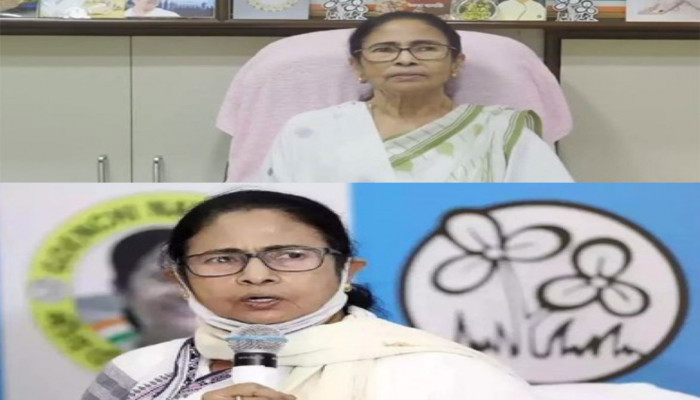
Former West Bengal Chief Minister and Trinamool Congress (TMC) chief Mamata Banerjee is facing fresh political and legal challenges after an FIR was registered against her over an alleged inflammatory speech delivered at a rally in Kolkata earlier this year. The case has drawn significant attention as it comes at a time when the TMC is also dealing with growing internal unrest following its recent electoral setback.
According to police sources quoted by ANI, the FIR was registered on June 7 at 3:45 pm. The case has been filed under Sections 196(1), 351(2), and 352 of the Bharatiya Nyaya Sanhita (BNS). The complaint relates to a speech Banerjee allegedly delivered on March 9 at the Dharna Mancha near Metro Channel in Esplanade, also known as Dharmatala, in Kolkata.
The complaint was filed by Tushar Kanti Das. He alleged that remarks made by Banerjee during the rally were misleading and had the potential to provoke a breach of peace. The complaint further claimed that the speech could disturb public tranquillity and negatively impact communal harmony in the state.
The complainant also stated that the speech posed a threat to West Bengal’s democratic framework. Based on the allegations, police registered a case and initiated a preliminary inquiry into the matter.
Officials said that the investigation is currently in its early stages and all aspects of the case are being examined. A senior police officer confirmed that authorities are following due legal procedure while reviewing the complaint and the contents of the speech.
“We have received the complaint, and a case has been registered in accordance with legal procedure. All aspects of the speech and the context in which it was delivered are being thoroughly examined,” the officer said.
The registration of the FIR has further intensified political tensions in West Bengal. Opposition parties have welcomed the move and described it as an important step towards ensuring adherence to the rule of law and maintaining electoral standards. They have argued that allegations involving public speeches should be examined carefully and dealt with according to legal provisions.
The Trinamool Congress, however, has strongly objected to the case. Party leaders have described the FIR as politically motivated and claimed that it is part of a broader effort to target the party and its leadership. The TMC has maintained that the complaint is aimed at creating political pressure rather than addressing any genuine legal concern.
The development comes at a particularly sensitive time for the opposition party. The TMC has been facing a serious internal crisis following its defeat in the West Bengal Assembly elections. The electoral setback has reportedly led to growing dissatisfaction within sections of the party, resulting in visible signs of rebellion among some leaders and lawmakers.
Adding to the party’s troubles, purported signatures of 19 TMC Members of Parliament recently appeared on a communication addressed to Lok Sabha Speaker Om Birla. The communication reportedly sought recognition of a separate parliamentary bloc under the leadership of Barasat MP Kakoli Ghosh Dastidar. It also expressed support for the BJP-led National Democratic Alliance (NDA).
The authenticity of the signatures has not been independently verified. However, sources associated with the dissident group claimed that the lawmakers had informed the Speaker of their intention to function as a separate parliamentary group while continuing to maintain a distinct political identity. The reports have fuelled speculation about divisions within the party and raised questions about its internal unity.
The parliamentary developments followed an earlier rebellion within the West Bengal Assembly. Reports suggested that 58 out of the TMC’s 80 MLAs backed expelled legislator Ritabrata Banerjee as the Leader of the Opposition. Their support reportedly went against the party’s officially nominated candidate for the position. The episode highlighted the extent of dissatisfaction among certain sections of the party and exposed deep cracks within the organisation.
In an attempt to address the growing crisis, Mamata Banerjee announced major organisational changes on June 5. She dissolved all party committees and introduced a revamped structure for the organisation. The move was seen as an effort to regain control of the party, address internal concerns, and strengthen the leadership's hold over the organisation.
The latest FIR has now added another layer of complexity to the challenges facing Banerjee and the TMC. While police continue their preliminary investigation into the allegations linked to the March rally speech, the party is simultaneously trying to manage internal dissent and restore organisational stability.
With legal scrutiny increasing and internal divisions continuing to dominate political discussions, attention remains focused on Mamata Banerjee and the future course of the Trinamool Congress. The outcome of the police investigation, along with the party’s ability to address its internal challenges, is likely to play a significant role in shaping the political landscape of West Bengal in the coming months.



 Loading...please wait
Comments