




Ferrari, BMW shift to aluminium wiring from copper aligning with Tesla and Chinese EV
- In Reports
- 06:05 PM, Jun 30, 2026
- Myind Staff
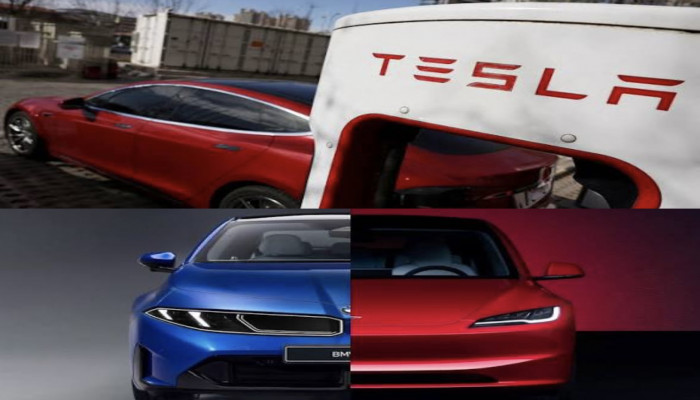
Ferrari and BMW have started introducing aluminium wiring in their latest vehicles, marking a major shift in the automotive industry. The move follows similar decisions by Tesla and several Chinese electric vehicle (EV) manufacturers. Automakers are now choosing aluminium as a lighter and more cost-effective alternative to copper, which has remained the standard material for electrical wiring since the invention of the electric battery more than 200 years ago.
The growing use of aluminium reflects a wider industry trend. According to JPMorgan, this change is expected to affect around 2% of global copper demand this year. Analysts believe the shift will continue over the coming years as copper prices remain high and global demand is increasing.
The demand for copper has increased sharply due to the expansion of green energy projects, electric vehicles and data centres. At the same time, supply has failed to keep pace. This gap has pushed copper prices higher and encouraged companies across several industries to look for alternatives.
Reuters spoke to 18 companies and experts, including automakers, cable manufacturers, air-conditioning companies, metal producers and consultants. They confirmed that many businesses are now replacing copper with aluminium due to its much lower price and similar performance in several applications. Ferrari and BMW also said the lighter weight of aluminium influenced their decision.
Companies have gradually substituted aluminium for copper over the past two decades. However, record copper prices in late January strengthened the case for a faster transition. Copper prices came close to $15,000 per metric ton during that period. Industry forecasts also show that global copper supply will remain below demand for more than the next ten years.
Ferrari already uses aluminium in the bodies, engines and chassis of its vehicles. Last year, the company introduced aluminium power cables in its 296 hybrid sports car. It later expanded the use of aluminium wiring to other models, including the Luce, its first fully electric vehicle, which launched last month.
The company said the switch reduces the total weight of wiring by up to 20%. Ferrari communications executive Dario Esposito said, "We are not choosing aluminium because it's cheaper, we choose the material that has better performance."
Although Ferrari highlighted performance as its main reason, aluminium remains significantly less expensive than copper. Aluminium currently costs around $3,100 per ton, while copper costs nearly four times as much.
BMW has also expanded the use of aluminium wiring over the years. The German automaker first introduced aluminium conductors in its 1 Series subcompact car in 2011. It later increased its use across hybrid and electric vehicles. The company now uses a large number of aluminium cables in both high-voltage and low-voltage systems in its latest eDrive electric vehicle technology, which launched last year.
Stellantis, the world's fourth-largest automaker, has also started replacing copper wiring with aluminium, according to an industry source familiar with the development. The company declined to comment on the report.
The trend extends beyond traditional automakers. Chinese EV parts supplier JONVER has witnessed rapid growth in demand for aluminium wiring products. Sales director Feng Lu said aluminium wiring now accounts for about 30% of the company's total sales. The figure stood at around 20% in 2023.
Norwegian aluminium producer Hydro has also reported steady growth in sales of aluminium heating and air-conditioning tubing, which serves as a substitute for copper. Hydro Chief Financial Officer Trond Olaf Christophersen said the company expects to gain a larger share of the market as aluminium replaces copper more rapidly in the coming years.
Despite the growing adoption of aluminium, copper still offers better performance in several applications. Xavier Mathieu of France-based Nexans, the world's second-largest cable manufacturer, said manufacturers continue to buy copper even at higher prices where performance matters most. He explained that companies begin switching to aluminium once copper becomes about 3.5 times more expensive.
Copper currently trades at more than 4.2 times the price of aluminium. This wide price gap has made aluminium an attractive option for many manufacturers.
The transition still presents several challenges. Aluminium production requires large amounts of energy, which leads to higher greenhouse gas emissions. Aluminium also conducts electricity less efficiently than copper. Manufacturers need large amounts of aluminium to carry the same level of electrical current.
Even with these limitations, JPMorgan expects aluminium to replace a much larger share of copper in the coming years. The bank estimates that aluminium could replace around 6% of annual copper demand by 2030, compared with about 2% this year.
China has emerged as a major force behind this transition. In March 2025, the Chinese government encouraged companies to replace copper with aluminium through a policy paper reviewed by Reuters. Many manufacturers have already responded to the initiative.
Consultancy Zhuochuang estimates that aluminium could replace 25% to 30% of the copper currently used in the power, automotive and home-appliance sectors by 2030, measured by metal volume.
Chinese electric vehicle manufacturers such as AVATR, XPeng and Xiaomi have already adopted aluminium wiring, according to Terry Woychowski, president of engineering consultancy Caresoft Global. The company studies vehicle components by taking apart finished vehicles. Tesla and the three Chinese automakers did not respond to Reuters' requests for comment.
Aluminium offers an important advantage for electric vehicles. Its lighter weight helps reduce the overall weight of a vehicle, allowing longer driving ranges. Lower material costs also help manufacturers improve profits, especially in China's highly competitive EV market, where companies continue to face intense price competition and very low margins.
Hydro estimates that around 85% of electrical wiring busbars, which connect an EV battery to different vehicle systems, still use copper. This leaves significant room for aluminium to gain a larger share of the market.
According to Woychowski, the Chinese automotive industry has closely followed Tesla's approach. Tesla pioneered the use of aluminium wiring with the launch of the Model Y in 2019 and later expanded its use in the Cybertruck. As more automakers adopt the same strategy, aluminium is expected to play an increasingly important role in the future of electric vehicle manufacturing.



 Loading...please wait
Comments