




FCRA Amendment Bill sent to Joint Parliamentary Committee after heated debate in Lok Sabha
- In Reports
- 06:49 PM, Aug 12, 2026
- Myind Staff
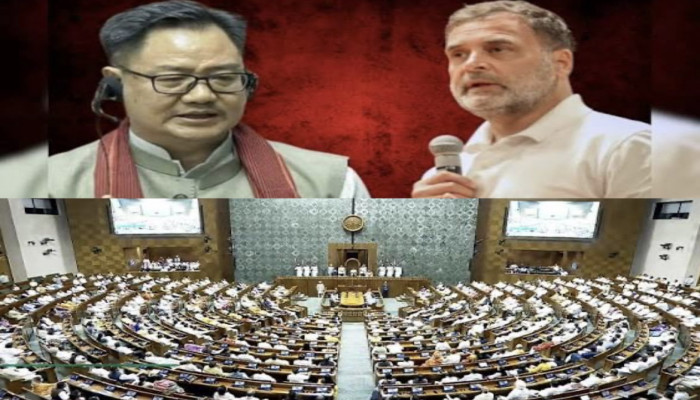
The Centre has decided to send the Foreign Contribution (Regulation) Amendment Bill, 2026, to a Joint Parliamentary Committee (JPC) following strong opposition from several parties in Parliament. The move came after a heated debate in the Lok Sabha, where Opposition leaders raised concerns about the proposed changes and demanded that the bill be withdrawn.
Union Minister of State for Home Affairs Nityanand Rai moved a resolution in the Lok Sabha on Wednesday to refer the bill to the JPC. The decision was announced amid loud protests from Opposition members. Several leaders also questioned the absence of Home Minister Amit Shah during the discussion. The resolution to send the bill to the parliamentary panel had earlier been listed against Shah’s name in the Supplementary List of Business of the House.
According to the resolution placed before the Lok Sabha, the proposed Joint Parliamentary Committee will consist of 31 members. Of these, 21 members will be nominated by the Speaker of the Lok Sabha, while 10 members will be nominated by the Chairman of the Rajya Sabha.
The Foreign Contribution (Regulation) Amendment Bill, 2026, has faced criticism from Opposition parties since it was introduced. Opposition leaders have alleged that the proposed legislation could adversely affect non-governmental organisations and minority institutions that receive foreign funding. The government has repeatedly rejected these allegations and maintained that the amendments are intended to strengthen the regulatory framework governing foreign contributions.
One of the key provisions of the bill seeks to give the government the power to establish a “Designated Authority.” This authority would be responsible for taking over the management of foreign contributions and assets created through foreign funding in certain situations. The authority would step in when an organisation’s FCRA registration is cancelled, surrendered, or expires after not being renewed.
The proposed law has attracted criticism from several quarters over concerns about government control over the assets of organisations receiving foreign contributions. Amid growing criticism, the Ministry of Home Affairs issued a clarification on July 22. The ministry stated that the designated authority would manage only those assets that were created through foreign contributions. It also clarified that such management would take place only after an organisation’s registration had legally ceased to exist under the provisions of the law.
The bill contains specific provisions related to religious places as well. It states that if any asset under the authority’s management is a place of worship, the authority must ensure that its religious character remains unchanged.
As Nityanand Rai stood up in the House to move the resolution for referring the bill to the JPC, Opposition members strongly objected. Leaders from different parties voiced their concerns and described the proposed legislation as harmful to organisations engaged in social and community work.
Congress leader KC Venugopal criticised the bill and alleged that it would negatively impact institutions that play an important role in society. He said, "The bill is against NGOs and minority institutions who are doing good work."
Samajwadi Party president Akhilesh Yadav also opposed the legislation and demanded its withdrawal. He said, "The entire opposition is against the bill and it must be withdrawn."
The government responded to these criticisms during the debate. Parliamentary Affairs Minister Kiren Rijiju defended the decision to refer the bill to a Joint Parliamentary Committee. He argued that the Opposition should welcome the move, as it would provide an opportunity for all stakeholders and political parties to present their views before the committee examines the legislation in detail.
Rijiju also dismissed allegations that the bill targets minority communities. Rejecting the Opposition’s claims, he said, "Show me one provision in the bill which is against the minorities of the country."
The government has maintained that the amendments are aimed at improving the management and regulation of foreign contributions. The Ministry of Home Affairs, which oversees foreign funding received by NGOs and other organisations, has stated that the proposed changes are intended to establish a clear legal framework for handling assets and funds linked to foreign contributions.
According to the ministry, the amendments seek to create “a comprehensive statutory framework for vesting, supervision, management and disposal of foreign contribution and assets through a designated authority, including provisional and permanent vesting”. The ministry has also said that the bill proposes rationalised penalties and makes central government approval mandatory before launching investigations in matters related to foreign contributions.
With the bill now set to be examined by a Joint Parliamentary Committee, detailed discussions are expected in the coming months. The panel will review the proposed amendments, hear different viewpoints and make recommendations before the legislation moves forward in the parliamentary process. The decision to send the bill to the JPC has temporarily eased the immediate confrontation in Parliament, though political disagreement over the proposed law is likely to continue.



 Loading...please wait
Comments