



FAA warns airlines flying over Mexico, Central and South America amid military risks
- In Reports
- 02:42 PM, Jan 17, 2026
- Myind Staff
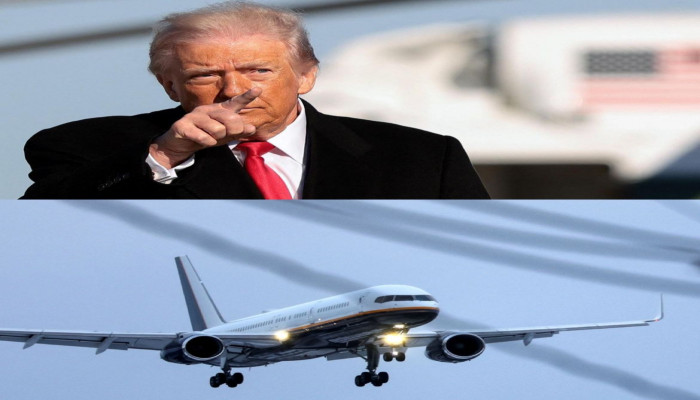
The U.S. Federal Aviation Administration (FAA) has issued a warning to airlines, asking them to exercise caution while flying over Mexico, Central America and parts of South America due to the risk of possible military actions and GPS interference.
In a statement released on Friday, the FAA said it has issued Notices to Airmen (NOTAMs) covering airspace over Mexico, several Central American countries, Ecuador, Colombia and portions of the eastern Pacific Ocean. According to the FAA, these warnings came into effect on Friday and will remain valid for 60 days.
The advisory highlights concerns related to potential military activity in the region, along with the possibility of GPS interference that could affect aircraft navigation systems. The FAA clarified that the notices are precautionary and aimed at ensuring the safety of flight operations for U.S. airlines operating in or over these regions.
The warning comes at a time when tensions between the United States and several regional leaders have increased. This follows a large-scale U.S. military buildup in the southern Caribbean under the Trump administration. During this period, the U.S. carried out a military operation against Venezuela and seized the country’s president, Nicolas Maduro.
President Donald Trump has also indicated the possibility of further military action in the region. This includes potential actions against Colombia. Last week, Trump made strong remarks regarding drug cartels operating in Mexico. He said that drug cartels were running Mexico and suggested that the United States could strike land targets to combat them. These comments were part of a broader series of threats involving the deployment of U.S. military force against drug cartels.
Following the FAA advisory, Mexico responded by stating that the warning is only a precaution. The Mexican government emphasised that the notice does not restrict Mexican airspace or impact Mexican airlines in any way. In a statement, the Mexican ministry said that aviation operations within Mexico remain unaffected. It also clarified that the FAA notice applies solely to U.S. operators and does not impose any changes on Mexico’s aviation activities.
Earlier developments in the region have already affected airline operations. After the U.S. attack on Venezuela, the FAA had restricted flights throughout parts of the Caribbean. These measures led to the cancellation of hundreds of flights by major airlines.
FAA Administrator Bryan Bedford spoke to Reuters this week about the situation. He said there had been “good coordination between the agency and the U.S. military” prior to the Venezuela operation. His statement highlighted efforts to manage aviation safety during times of military activity.
Concerns about aviation safety were further highlighted by an incident last month involving a JetBlue aircraft. A JetBlue passenger jet bound for New York was forced to take evasive action to avoid a possible mid-air collision with a U.S. Air Force tanker plane near Venezuela. JetBlue Flight 1112 had departed from the Caribbean nation of Curacao and was flying approximately 40 miles off the coast of Venezuela when the Airbus aircraft reported encountering the military jet.
According to the report, the Air Force tanker plane did not have its transponder activated, increasing the risk of collision and raising further concerns about civilian and military aircraft operating in close proximity in the region.
The FAA’s latest advisory reflects ongoing concerns about aviation safety amid rising military tensions and operational risks. While the notice does not impose restrictions on foreign airspace, it serves as a warning to U.S. airlines to remain alert and cautious when flying over these regions during the next two months.



 Loading...please wait
Comments