




FAA orders crack inspections for hundreds of Boeing 737 Max jets
- In Reports
- 06:13 PM, Aug 08, 2026
- Myind Staff
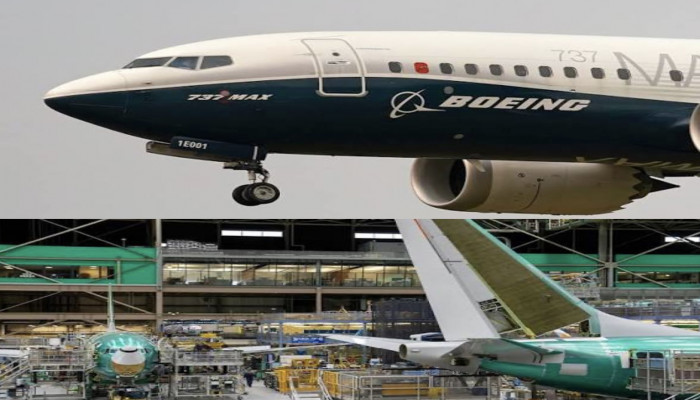
The Federal Aviation Administration (FAA) has ordered inspections for hundreds of Boeing 737 Max aircraft after cracks were reported in similar parts of older 737 planes. The new directive covers 471 aircraft across three Boeing 737 Max models: the 737-8, 737-9 and 737-8200. The FAA finalised the rule this week after first proposing it in November. The directive will take effect on September 10.
The FAA said it issued the order to address "the unsafe condition" linked to earlier reports of cracks found in a structural part of older Boeing 737 aircraft. So far, inspectors have not found cracks in the affected 737 Max models. However, the agency raised concerns over the possibility of the same problem developing in these aircraft.
The issue involves a part known as a forward bear strap. The FAA received reports of cracks in these parts on several older Boeing 737 Next-Generation aircraft. Bear straps are metal sheets that reinforce important areas of an aircraft, including sections around doorways and emergency exits.
The FAA said the 737 Max aircraft use "a similar design and build process" to the older 737 models. This means the newer aircraft could also be exposed to the same type of cracking. In its November proposal, the agency warned that the problem could "adversely affect the structural integrity of the airplane" if operators did not address it.
The FAA's latest directive now makes inspections mandatory for the affected Max aircraft. The agency has also included an additional inspection requirement for the fuselage skin of aircraft that already have repairs in place. Operators will have to follow the required inspection process to identify any possible structural problems.
Boeing said it had already identified the issue and informed the relevant authorities. The company said it had also been working with airlines on the problem for several years. In a statement, Boeing said it previously identified and reported this issue - and "has been working with operators on it over the past six years".
The aircraft manufacturer said it sent inspection instructions to operators of the affected Next Generation 737 aircraft in 2019. The FAA later made those inspections mandatory in 2021. Boeing said it then expanded the same inspection process to its 737 Max aircraft. The latest FAA directive now makes those checks mandatory for the affected Max jets as well.
"We support both directives and continue to support our airline customers," Boeing said in a statement.
The new order comes as Boeing continues to face close attention over aircraft safety, manufacturing standards and production quality. The company has dealt with several major safety issues involving its 737 Max fleet in recent years.
The 737 Max faced intense scrutiny after two fatal crashes involving the 737 Max 8 in 2018 and 2019. The two accidents killed a total of 346 people. The crashes led to a worldwide grounding of the aircraft and triggered major investigations into Boeing's aircraft design, safety processes and regulatory oversight.
Boeing faced another major safety incident in January 2024. A panel flew off a Boeing 737 Max 9 operated by Alaska Airlines during a flight. The incident renewed concerns about Boeing's manufacturing and quality-control processes and led to further scrutiny from US regulators.
The FAA has continued to increase its oversight of Boeing following these incidents. Last month, the agency said Boeing would again be allowed to take responsibility for certifying all of its 737 Max and 787 aircraft. The decision comes as the regulator continues to monitor the company's safety and production practices.
The latest inspection order does not mean that cracks have been found in the affected 737 Max aircraft. Instead, the FAA is requiring checks as a precaution after similar cracks appeared in older 737 models that share a comparable design and manufacturing process. The agency's action aims to identify any potential structural problems before they affect aircraft safety.



 Loading...please wait
Comments