



Eight Indian vessels cross Strait of Hormuz, among highest among in the world
- In Reports
- 07:00 PM, Apr 04, 2026
- Myind Staff
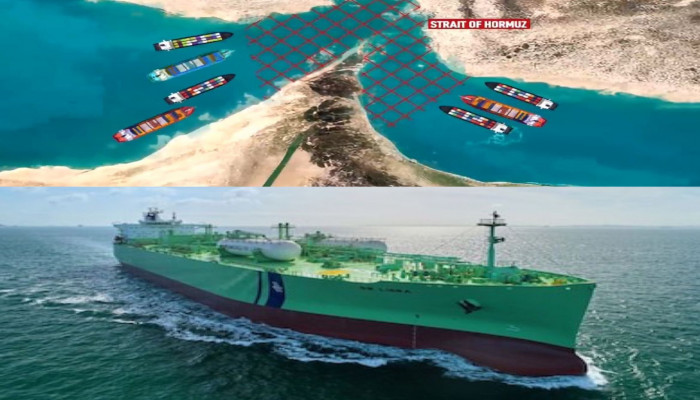
Amid rising tensions in West Asia, India has continued to maintain a strong maritime presence in the Strait of Hormuz despite the ongoing blockade. The situation escalated after US-Israeli strikes on February 28, prompting Iran to tighten its control over the crucial shipping lane. This move has disrupted global fuel supplies and created uncertainty in energy markets worldwide. According to maritime data, nearly 60 per cent of commodity-carrying ships passing through the strait are either coming from Iran or heading towards it, highlighting the region’s strategic importance.
Despite these challenges, India stands out as one of the countries with the highest number of vessels successfully navigating the route. Since the conflict began, at least eight Indian ships have crossed the Strait of Hormuz without incident. This reflects both operational resilience and coordinated diplomatic efforts to ensure safe passage through the volatile region.
Among these vessels were two LPG carriers, BW TYR and BW ELM, which transported around 94,000 tonnes of liquefied petroleum gas safely through the conflict zone. Their successful transit indicates that even in tense conditions, critical energy shipments are continuing with caution and support.
Several Indian-flagged LPG tankers also completed their journeys through the strait. Between March 26 and 28, Pine Gas and Jag Vasant delivered a combined cargo of 92,612 tonnes of LPG to India. Earlier in the month, MT Shivalik and MT Nanda Devi carried approximately 92,712 tonnes of LPG and reached Mundra Port in Gujarat on March 16 and Kandla Port on March 17. These shipments ensured a steady fuel supply despite the geopolitical risks.
In addition to LPG carriers, oil tankers also made safe crossings. Jag Laadki, carrying 80,886 tonnes of crude oil from the UAE, arrived at Mundra on March 18. Another vessel, Jag Prakash, transported gasoline from Oman to Africa and had earlier crossed the strait without any issues. The full list of Indian-linked vessels that transited safely includes Shivalik, Nanda Devi, Jag Laadki, Pine Gas, Jag Vasant, BW Tyr, BW Elm, and Green Sanvi.
The Green Sanvi was among the most recent vessels to complete the passage. It crossed the Strait of Hormuz on Friday night, carrying about 46,650 metric tonnes of LPG cargo. This continued movement of ships highlights the importance of the route for global and Indian energy needs.
To ensure the safety of these vessels, Indian Navy warships remained on standby. Their presence provided security support to merchant ships navigating the high-risk zone. At the same time, the Indian government has been in discussions with Iranian authorities to facilitate the smooth passage of Indian vessels despite the ongoing blockade.
Iran has clarified its stance on maritime movement through the Strait. It informed member states of the International Maritime Organisation that "non-hostile vessels" would be allowed to pass if they cooperate with Iranian authorities. However, Tehran has drawn a clear line regarding certain countries. It stated that vessels linked to the US and Israel, along with "other participants in the aggression," would not qualify for innocent or non-hostile passage.
The situation could become more complex as Iran signals the possibility of expanding its pressure tactics. A senior Iranian lawmaker has suggested that the Bab el-Mandeb Strait, another critical global shipping route, could also be targeted. This raises concerns about wider disruptions to global trade and supply chains.
Iranian Parliament Speaker Mohammad Bagher Ghalibaf hinted at this escalation through a series of posts on social media platform X. Highlighting the global dependence on key maritime routes, he asked, "What share of global oil, LNG, wheat, rice, and fertiliser shipments transits the Bab el-Mandeb Strait?" He further questioned, "Which countries and companies account for the highest transit volumes through the strait?" These remarks underline the potential risks to global commerce if tensions continue to rise.
As the conflict enters its sixth week, the Strait of Hormuz remains a focal point of geopolitical and economic concern. While India has managed to sustain its shipping operations so far, the evolving situation continues to pose risks. The coming weeks will be crucial in determining whether stability can be maintained in one of the world’s most important maritime corridors.



 Loading...please wait
Comments