




ECI rolls out QR code photo ID system for secure entry at vote counting centres
- In Reports
- 06:18 PM, Apr 30, 2026
- Myind Staff
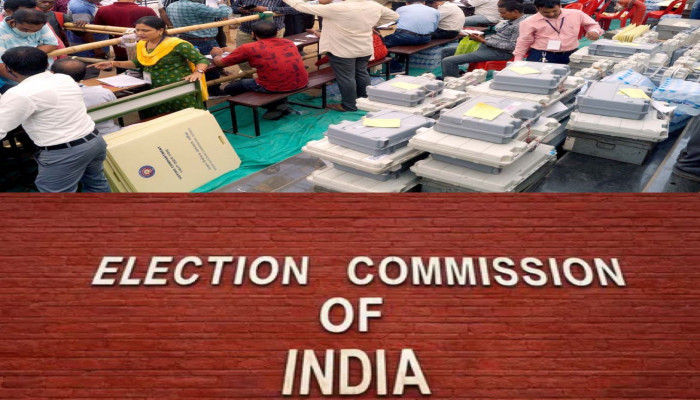
The Election Commission of India has introduced a QR code-based Photo Identity Card system to strengthen security at vote-counting centres and prevent any unauthorised access. This move is aimed at making the counting process more secure, transparent, and efficient during elections.
The new system will come into effect from May 4, 2026. It will be used during the counting of votes for the Assembly elections in Assam, Kerala, Tamil Nadu, West Bengal, and Puducherry. Along with these, the system will also be used in by-elections taking place in seven Assembly constituencies across five states. This marks the first time such a digital verification system will be implemented at this level during vote counting.
According to the Election Commission of India, the QR code-based identity cards have been introduced through the ECINET platform. The Commission has also stated that this system will not remain limited to the current elections. It will be extended to all future Lok Sabha and State Assembly general elections, as well as by-elections. This indicates a long-term shift towards more technology-driven election management.
The Commission explained that this initiative is part of a broader set of reforms. Over the past year, more than 30 electoral and administrative measures have been introduced to improve the election process. One of these measures includes the rollout of standardised QR-based identity cards for Booth Level Officers. The latest step builds on these efforts and focuses specifically on securing counting centres.
A three-tier security system has been put in place under the new arrangement. At the first and second levels of security, Photo Identity Cards issued by the Returning Officer will be checked manually. These checks will ensure that only authorised individuals are allowed to move further inside the premises. The process remains simple at this stage, but it plays an important role in screening entries.
The final level of security will be the most crucial. At the third and innermost security layer, which is located near the counting hall, entry will only be allowed after successful QR code verification. This digital scan will confirm the authenticity of the identity card and the person carrying it. Without this verification, entry into the counting hall area will not be permitted. This step is expected to significantly reduce the chances of unauthorised access.
The QR-based Photo Identity Cards will be compulsory for all authorised individuals who need to enter counting centres. This includes Returning Officers, Assistant Returning Officers, counting staff, and technical personnel. Candidates, election agents, and counting agents will also be required to carry these identity cards. The rule ensures that every person present in sensitive areas is properly verified.
The Election Commission of India has also made arrangements for media coverage. Media centres will be set up near counting halls at every counting location. These centres are meant to help authorised journalists and media personnel carry out their work smoothly without interfering with the counting process.
For media entry, the existing system will continue. Journalists and media personnel will be allowed access based on authority letters issued by the Commission under current guidelines. This means that while the new QR system is being introduced for most personnel, media access procedures will remain unchanged.
To ensure proper execution of the new system, the Commission has issued clear instructions to officials at various levels. Chief Electoral Officers, District Election Officers, Returning Officers, and Assistant Returning Officers have been directed to strictly implement the QR code system. They have also been asked to deploy trained staff at designated checkpoints. This will help in smooth verification and avoid delays or confusion during the counting process.
Overall, the introduction of QR code-based identity cards marks an important step in improving election security. The system combines manual checks with digital verification, creating a more reliable and controlled environment at counting centres. With this move, the Commission aims to maintain transparency while ensuring that the counting process remains secure and well-managed.



 Loading...please wait
Comments