




ECI caps individual voter deletion requests to a maximum of 10 Form-7 applications
- In Reports
- 05:48 PM, Oct 10, 2026
- Myind Staff
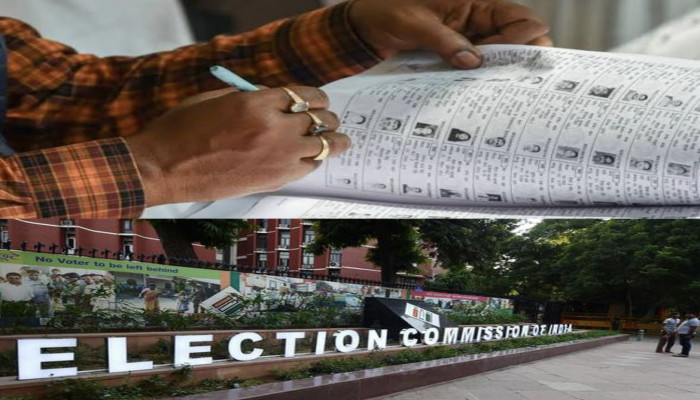
The Election Commission of India (ECI) has directed Chief Electoral Officers (CEOs) of all States and Union Territories to limit the number of Form-7 applications an individual can file to challenge names on electoral rolls.
The decision follows repeated cases of individuals filing multiple objections without valid grounds. The Commission said such practices inconvenience genuine voters and increase the workload of election officials.
Under Rule 13(2) of the Registration of Electors Rules (RER), 1960, only registered voters in the constituency concerned can submit Form-7 objections. The Electoral Registration Officer (ERO) must examine every application.
Political party-appointed Booth Level Agents (BLAs) can submit applications in bulk within prescribed limits. During the Special Intensive Revision (SIR), they can file up to 50 forms daily before the draft electoral roll is published and 10 forms daily afterwards.
The Manual on Electoral Rolls, 2023, bars individuals from bulk filings and requires EROs to cross-verify cases when an elector objects to more than five names. However, EROs previously left offline filing limits to their discretion.
Under the new directives, an individual can submit a maximum of 10 Form-7 applications during the entire Claims and Objections period. During Continuous Updation, the limit is five applications per person per month. The restrictions apply to both online and offline submissions.
The Commission has also reiterated that EROs must reject applications that fail to meet the prescribed deadlines or requirements under Rule 17 of the RER, 1960. Each application must include complete details and the objector's original signature. Signature seals are strictly prohibited. EROs must verify applicants' credentials against the electoral roll.
Under Rules 19 and 20, EROs must notify objectors, conduct personal hearings and record separate statements for each Form-7 application. If an objection is valid, the person whose name is challenged must also receive an opportunity to be heard before a final order is issued.
The ECI has directed officials to initiate action under Section 31 of the Representation of the People Act, 1950, if they find that a complaint contains false or fabricated information. The provision addresses knowingly making false statements or declarations.
Sandeep Kumar, Under Secretary at the ECI, issued the instructions in a letter to CEOs across all States and Union Territories. The Commission has directed them to circulate the guidelines among EROs, Assistant Electoral Registration Officers (AEROs) and field functionaries for immediate compliance. They must also ensure widespread public awareness.



 Loading...please wait
Comments