



EAM Jaishankar and Iranian FM hold telephone conversation on ongoing West Asia tensions
- In Reports
- 12:10 PM, Apr 30, 2026
- Myind Staff
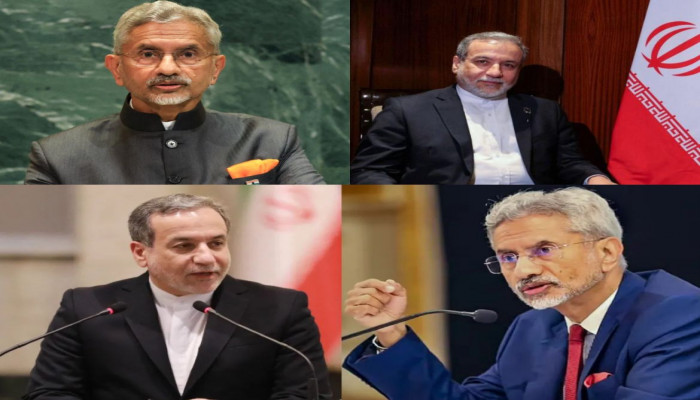
Iran’s Foreign Minister Seyed Abbas Araghchi held a phone conversation with India’s External Affairs Minister S. Jaishankar on Wednesday to discuss the ongoing crisis in West Asia and the broader regional situation. The call is part of a series of ongoing diplomatic engagements between the two leaders as tensions in the region remain high.
This was not their first interaction since the conflict began. The two ministers have spoken over the phone more than six times since military strikes on Iran by Israel and the United States on February 28 triggered the current situation. Their repeated conversations highlight continued diplomatic efforts to stay updated and maintain coordination during the crisis.
The latest call came after Araghchi visited Pakistan, Oman, and Russia. These visits were part of Iran’s broader diplomatic push to find a way to end the conflict and reduce tensions in the region. His outreach to multiple countries signals ongoing efforts to build support and explore possible solutions.
After the call, Jaishankar shared details of the conversation on social media. “Received a phone call from Foreign Minister Seyed Abbas Araghchi of Iran this evening,” Jaishankar said on social media. “Had a detailed conversation about various aspects of the current situation. We agreed to remain in close touch.” The statement reflects a shared understanding between the two sides to continue communication as the situation evolves.
Information shared on Araghchi’s Telegram channel also gave insight into the discussion. It said that the two ministers held consultations on the “latest developments related to the ceasefire, bilateral relations, and regional and international developments”. This suggests that the talks covered not just the immediate conflict but also wider diplomatic and strategic issues.
On the same day, Araghchi also reached out to other global leaders. He spoke with Radoslaw Sikorski of Poland and Musalia Mudavadi of Kenya. These calls indicate that Iran is actively engaging with multiple countries to discuss the crisis and gather international perspectives.
Meanwhile, there have been some developments on the ceasefire front. Donald Trump has indefinitely extended the ceasefire that Iran and the United States had agreed to on April 7. This move has largely paused direct hostilities between the two sides, bringing some temporary relief to the region.
However, tensions remain due to ongoing strategic and economic actions. According to Iran’s Fars News Agency, the country has sent “written messages” to the United States through Pakistan. These messages reportedly outline Iran’s “red lines”, including key concerns related to nuclear issues and the strategically important Strait of Hormuz.
The situation has also affected global trade and energy supply. Iran has blocked the Strait of Hormuz, which is a major route for oil, natural gas, and fertilisers. This has disrupted supplies and caused prices to rise sharply. In response, the United States has taken countermeasures by blocking Iranian ports, adding to the pressure and complexity of the situation.
Overall, the latest conversation between Jaishankar and Araghchi reflects ongoing diplomatic engagement amid a fragile and evolving crisis. While the ceasefire has stalled immediate conflict, the broader situation remains uncertain. Continued dialogue between countries is likely to play a key role in managing tensions and exploring long-term solutions.



 Loading...please wait
Comments