




Drone strike near UAE nuclear plant sparks global alarm, India calls for immediate restraint
- In Reports
- 01:15 PM, May 18, 2026
- Myind Staff
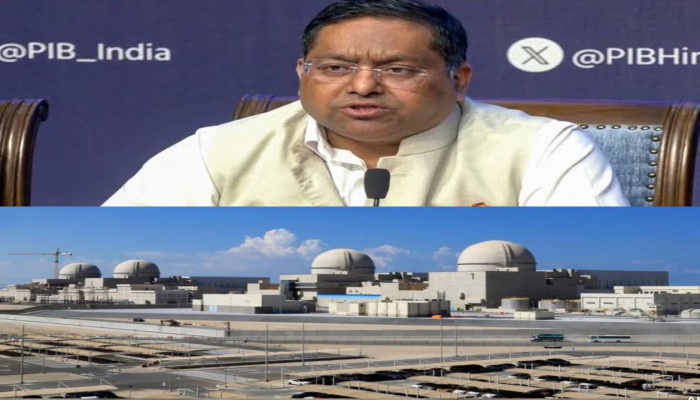
India on Sunday strongly condemned the drone strike near the Barakah Nuclear Power Plant in the UAE and described the incident as a serious escalation in regional tensions. The Ministry of External Affairs expressed deep concern over the attack and urged all sides to avoid further conflict and return to diplomatic dialogue.
In an official statement, the MEA said, “India is deeply concerned at the attack targeting the Barakah nuclear facility in the UAE. Such actions are unacceptable and represent a dangerous escalation. We urgently call for restraint and a return to dialogue and diplomacy.”
The reaction came after a drone strike caused a fire near the Barakah nuclear facility located in the Al Dhafra region of Abu Dhabi. According to the Abu Dhabi Media Office, the fire broke out in an electrical generator situated outside the plant’s inner security perimeter. Authorities confirmed that no injuries were reported in the incident, and radiation levels at the facility remained normal.
The development has raised concerns across the international community due to the sensitive nature of the location involved. The Barakah Nuclear Power Plant is considered a critical infrastructure site in the UAE and any attack near such a facility has triggered fears of wider regional instability.
Several countries and global organisations reacted sharply to the incident. Saudi Arabia condemned the strike and called it a serious threat to peace and security in the region. International Atomic Energy Agency (IAEA) chief Rafael Grossi also reacted strongly and said that any military activity that could endanger nuclear safety was completely unacceptable.
UAE authorities have launched an investigation to identify the source of the drone strike. Officials said the country reserved the right to respond to what they described as “terrorist attacks.” A diplomatic adviser to the UAE President called the incident a dangerous escalation and said it did not matter whether the strike was carried out directly by the “main perpetrator” or through proxy groups.
The UAE Defence Ministry said security forces successfully intercepted two more drones after the initial strike. Officials added that the drones had entered from the “western border,” though no additional details were shared regarding their origin or possible operators.
The incident comes at a time of rising tensions in the region, especially amid concerns over growing instability linked to the ongoing conflict involving Iran and the United States. While UAE officials did not directly blame any country or organisation, the attack has intensified fears about the expanding use of drones in regional conflicts and the risks posed to strategic infrastructure.
Saudi Arabia also reported drone-related security concerns on the same day. Riyadh stated that it had intercepted three drones that entered through Iraqi airspace. Saudi authorities warned that they would take all necessary operational steps to counter any attempt to threaten the kingdom’s security or violate its sovereignty.
The drone strike near the UAE’s nuclear facility has once again highlighted the vulnerability of key energy and nuclear infrastructure in the Gulf region. Experts believe attacks of this nature could have severe consequences if they target sensitive installations directly. Although officials confirmed that the Barakah plant itself remained safe and unaffected, the incident has still created anxiety across the region.
India’s response reflects its concern over growing instability in West Asia, a region that remains strategically important due to energy ties, trade links and the presence of a large Indian diaspora. New Delhi has consistently called for a peaceful resolution of conflicts and has urged nations to avoid actions that could push the region towards further confrontation.
As investigations continue, global attention remains focused on the UAE’s findings and the possibility of further escalation. The incident has added fresh pressure on regional powers to prevent another cycle of violence and strengthen efforts towards diplomatic engagement.



 Loading...please wait
Comments