




DGCA issues six new air travel guidelines on seating, delays, cancellations
- In Reports
- 08:00 PM, Mar 18, 2026
- Myind Staff
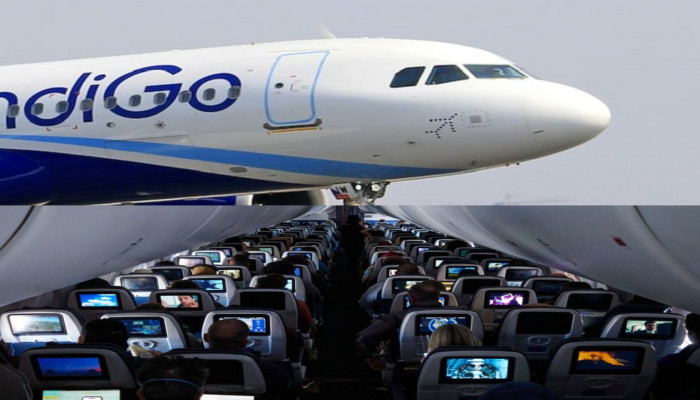
Air travel rules have been updated with a stronger focus on passenger rights, especially around seat allocation, flight delays, cancellations, and ticket handling. These changes aim to make flying more transparent and less stressful for passengers, while also ensuring that airlines follow clearer guidelines.
One of the most noticeable changes is related to seat allocation. Airlines are now expected to provide free seat allocation under certain conditions, particularly for specific categories of passengers. This move addresses a long-standing concern where travellers were often charged extra just to sit with their family members or companions. The updated rule ensures that passengers, especially those travelling with children or requiring assistance, are not forced to pay additional fees for basic seating preferences.
The issue of Passenger Name Record (PNR) has also been clarified. A PNR is a unique number assigned to every booking, and it plays a crucial role in tracking reservations. Under the revised guidelines, airlines must ensure better transparency in how PNR details are handled and shared with passengers. This includes timely updates about booking status, flight schedule changes, and any disruptions. The goal is to reduce confusion and ensure passengers are always informed about their travel plans.
Flight delays have been another major area of concern for travellers. The new rules emphasise that airlines must take greater responsibility in such situations. If a flight is delayed beyond a certain time, passengers are entitled to assistance. This may include meals, refreshments, or even accommodation, depending on the duration of the delay. The updated guidelines make it clear that airlines cannot leave passengers unattended during long waiting periods and must provide necessary support.
Cancellations are also covered more strictly under the new framework. If an airline cancels a flight, passengers must be informed well in advance. In cases where cancellations occur at short notice, airlines are required to offer either a full refund or an alternative flight at no extra cost. This ensures that passengers are not left stranded or forced to bear additional expenses due to circumstances beyond their control. The rules aim to bring more accountability to airlines and reduce inconvenience for travellers.
Refund policies have also been made more passenger-friendly. When tickets are cancelled, whether by the airline or the passenger, the refund process must be handled in a timely and transparent manner. Airlines are expected to clearly communicate the refund timelines and ensure that there are no unnecessary delays. This is particularly important for passengers who rely on quick refunds to make alternate travel arrangements.
The guidelines also address overbooking, a common practice where airlines sell more tickets than available seats. In situations where passengers are denied boarding due to overbooking, airlines must provide compensation along with alternative travel options. This rule ensures that passengers are not unfairly treated and receive proper support if such situations arise.
Overall, these changes reflect an effort to make air travel more passenger-centric. The focus is on improving communication, reducing hidden costs, and ensuring that travellers are treated fairly in all situations. While airlines will still operate within their business models, the new rules set a clearer boundary on how passengers should be handled during disruptions.
For frequent flyers and occasional travellers alike, these updates bring a sense of reassurance. Knowing that there are defined rights and protections in place can make a significant difference in the overall travel experience. As air travel continues to grow, such measures are essential to maintain trust and ensure smoother journeys for everyone.



 Loading...please wait
Comments