



DGCA eases pilot leave rule as thousands of passengers left stranded due to IndiGo flight cancellations
- In Reports
- 06:43 PM, Dec 05, 2025
- Myind Staff
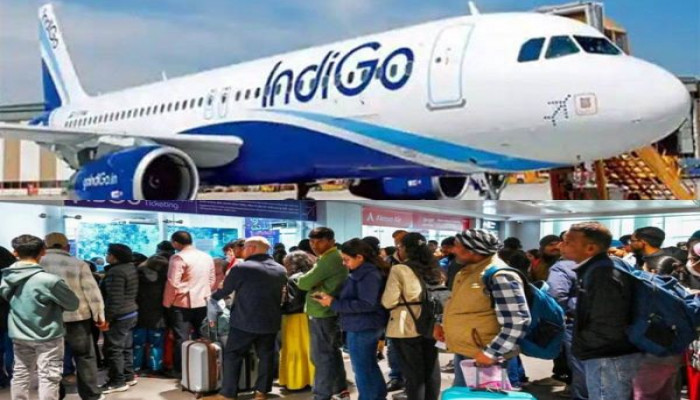
India’s civil aviation regulator on Friday withdrew its earlier order that had stopped airlines from counting a pilot’s leave, whether casual, sick, or earned, as part of their weekly rest, and this shift has reduced the pressure on airline rosters.
This means that if a pilot takes a day off or a 24-hour break, the airline can now treat it as part of the weekly rest that pilots must get.
In simple terms, airlines no longer need a rigid divide between leave and weekly rest when they prepare schedules for pilots and crew. So, if a pilot takes 48 hours of earned leave, it will now also be considered as weekly rest.
This change gives some breathing room to airlines, especially IndiGo, which is dealing with one of its most serious breakdowns after the rollout of the new flight duty time limits.
The reversal ends almost eleven months of confusion that began on 20 January 2025, when the Directorate General of Civil Aviation issued a strict order saying that “no leave shall be substituted for weekly rest”.
This rule meant that even one day of sick, casual, or earned leave in a week made the weekly rest invalid, even when the crew member already had multiple days off in that same week. Airlines said this caused disruptions and, in some cases, even raised fatigue risks during operational stress.
On Friday, the regulator said it needed to review the rule to ensure smoother operations. The DGCA said this decision was made “in view of the ongoing operational disruptions and representations received from various airlines regarding the need to ensure continuity and stability of operations”.
Since 1 November, when the new weekly rest rules, night duty definition, and night landing relaxations took effect, IndiGo has recorded more than 1550 flight cancellations until 4 December.
Cancellations continued on Friday. The airline stopped all departures from Delhi until midnight, worsening the shortage of capacity on domestic routes. This breakdown has spread across the aviation network, raising fares and causing heavy crowding at major airports.
Earlier, the weekly rest was a fixed compulsory break that could not be replaced with any type of leave. Now, pilot leave can be counted as weekly rest, and this gives airlines more flexibility when making rosters, said Gagan Dixit, senior vice president of oil and gas and aviation at Elara Securities.
“The regulator is not rolling back the fundamental FTDL norms, the weekly rest requirement remains. It has only softened the implementation, striking a balanced approach that eases IndiGo’s operational crunch while keeping the broader safety framework intact,” he told Mint.
However, pilots disagree.
They say the entire pattern, from large-scale cancellations to changes in weekly rest rules, shows pressure tactics used by an airline to influence the regulator. There was no real safety need behind this change, said Captain Sam Thomas, president of the pilot union ALPA India.
“It is unfortunate. Pilot fatigue is a genuine concern that is being overlooked again. Airlines, particularly one player, are forcing a change in regulations, and the regulator is acceding to it. The airlines knew the rules were coming, and trial runs of different roster arrangements were stimulated and run through before flight schedules were sent to the DGCA,” he said.
Mark D Martin, aviation safety consultant and chief executive of Martin Consulting, said the reversal shows the DGCA in “very poor light”. “It is unethical, the way in which safety is being overlooked. And IndiGo used their size and network reach to their advantage. The DGCA is also being seen as easy to manipulate.”
Sanjay Lazar, aviation safety specialist and CEO of Avialaz Consulting, agreed. “It appears that the office of the DGCA has, in one swoop, unilaterally amended its own directions by reversing the clause that leave shall not be counted toward weekly rest.”
He added that this marks a permanent change in the civil aviation rules on flight duty time limits at the request of airlines, even though these rules had already been settled in the High Court. “It paints the Indian aviation regulator in a poor light, as being malleable to airlines' pressure. This also allows airlines to manipulate rosters around pilots' leaves and pressurise pilots into surrendering leave for a monetary pittance.”



 Loading...please wait
Comments