




Denmark’s Mette Frederiksen secures third consecutive term as prime minister
- In Reports
- 01:03 PM, Jun 02, 2026
- Myind Staff
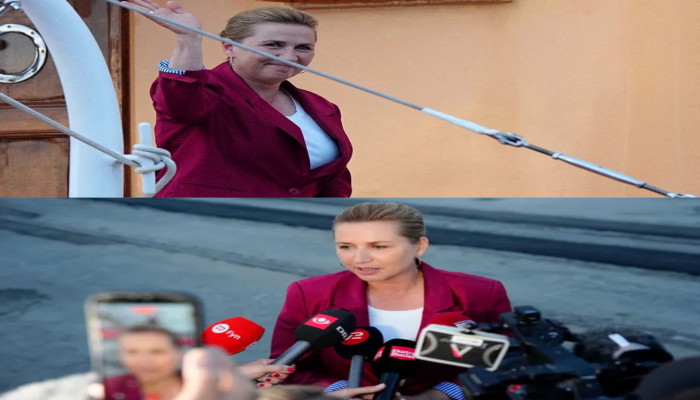
Denmark's Social Democratic leader, Mette Frederiksen, has secured a third consecutive term as prime minister after reaching an agreement to form a new centre-left coalition government. The development ends months of political uncertainty following the March parliamentary election and keeps Frederiksen in power at a time when Denmark is dealing with major international and domestic challenges.
Frederiksen announced on Monday that a deal had been finalised after lengthy negotiations among political parties. Speaking to reporters, she said, "I have been to see His Majesty the King and announced that a government can be formed after long negotiations."
The agreement comes more than two months after Denmark's March 24 election, in which voters delivered a fragmented result. Twelve parties won seats in parliament, making it difficult for any single bloc to secure a majority. Although Frederiksen's Social Democratic Party remained the largest party in the legislature, its representation dropped significantly. The party won 38 of the 179 seats in parliament, compared to 50 seats previously.
The election reflected growing public frustration over rising living costs. Frederiksen's centrist coalition government lost its parliamentary majority as many voters expressed concerns about economic pressures. The result opened the door to intense negotiations between political parties over who would lead the next government.
During the talks, both the Social Democrats and the right-wing Liberal Party attempted to gather enough support to form a government. However, Frederiksen ultimately succeeded in winning the backing required to remain prime minister. The 48-year-old leader managed to bring together several parties to support her new administration.
Speaking about the coalition agreement, Frederiksen said, "It is a government platform for the people who are in Denmark and for the generations to come and also for the animals."
Animal welfare was one of the key issues discussed during the election campaign. The topic received considerable attention alongside concerns about the economy, public services and Denmark's future policy direction.
Frederiksen said the government's main policy priorities will be presented on Tuesday, while the names of ministers joining the cabinet will be announced on Wednesday.
The new government's immediate challenges are expected to focus heavily on foreign policy and national security. One of the most pressing issues is Greenland, the autonomous Danish territory that has become the centre of a diplomatic dispute involving U.S. President Donald Trump. Trump has previously threatened to annex Greenland, creating tensions between Washington and Copenhagen. Denmark's government is expected to continue diplomatic discussions on the matter.
Another major priority will be strengthening Denmark's military capabilities. European security concerns have increased because of Russia's ongoing war in Ukraine. As a result, Denmark plans to accelerate efforts to expand and modernise its armed forces.
The coalition government will include Frederiksen's Social Democrats along with the Social Liberals, the Left Greens and the centrist Moderates. The administration will operate as a minority government and will mainly depend on support from the far-left Red-Green Alliance to secure a majority in parliament. At the same time, it may seek support from other parties on specific legislation and parliamentary votes.
The formation of the new coalition marks an important political shift for Frederiksen. During the past four years, she led an unusual government that brought together parties from both the left and the right of the political spectrum. That coalition included the Social Democrats, the Moderates and the Liberals.
The new arrangement moves Frederiksen's government further toward the left. It reflects changing political dynamics in Denmark following the election and sets the stage for a new phase of governance under her leadership.
With a coalition now in place, Denmark's government can turn its attention to addressing economic concerns at home while also dealing with growing international challenges. Frederiksen's successful negotiations have allowed her to maintain her position as prime minister, giving her a third term at a critical moment for the country.



 Loading...please wait
Comments