




Denmark, Greece, Pakistan, Panama, and Somalia elected as non-permanent members of UNSC
- In Reports
- 11:24 AM, Jun 07, 2024
- Myind Staff
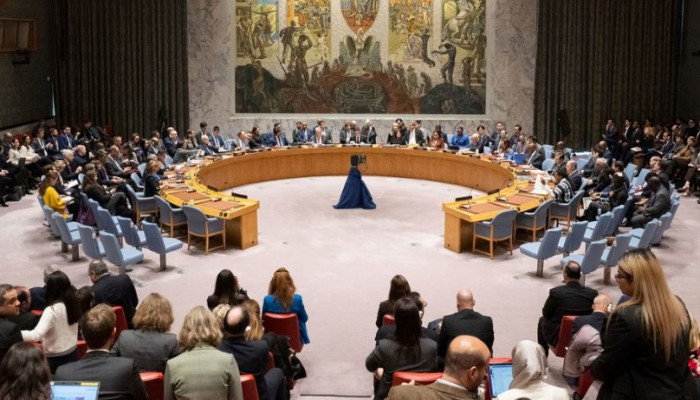
Denmark, Greece, Pakistan, Panama, and Somalia have been elected as non-permanent members of the UN Security Council for a two-year term starting on January 1, 2025, and concluding on December 31, 2026.
The election process saw these five candidates running uncontested, thus securing their positions without opposition.
They will succeed Ecuador, Japan, Malta, Mozambique, and Switzerland, the outgoing non-permanent members of the Security Council.
To secure a non-permanent seat on the Security Council, a candidate must garner the support of two-thirds of the UN member states present and voting at the General Assembly session. This requirement translates to at least 129 affirmative votes if all 193 member states participate in the voting. Abstentions are treated as non-voting.
During the voting session, Panama received 183 votes, narrowly missing unanimous support from all member states present and voting, as announced by Dennis Francis, the current President of the General Assembly presiding over the election proceedings.
The remaining four countries also secured their seats comfortably with significant support from the member states participating in the election.
All five of the newly elected members have previously served on the Security Council, with Pakistan having held the seat seven times, Panama five times, Denmark four times, Greece twice, and Somalia once.
The Security Council comprises 15 members, including five permanent ones: Britain, China, France, Russia, and the United States. The remaining 10 seats are non-permanent and are allocated by geographic region, with five seats replaced each year.
The newly elected countries represent diverse regions: Africa, Asia-Pacific, Latin America and the Caribbean, and Western European and Other groups. Eastern Europe did not contest this year as its one seat, currently held by Slovenia until 2025, comes up for election every alternate year.
As the most powerful body within the United Nations, the Security Council is entrusted with maintaining international peace and security. It possesses the authority to make legally binding decisions, impose sanctions, and authorize the use of force when deemed necessary.
Image source: Times of India



 Loading...please wait
Comments