



Delhi High Court says it cannot allow India to be maligned globally in UK academic’s OCI case
- In Reports
- 08:46 PM, Feb 17, 2026
- Myind Staff
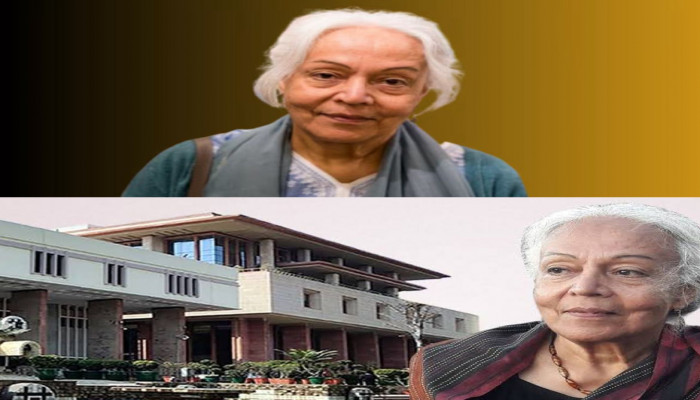
The Delhi High Court on Monday said it cannot allow India to be criticised or maligned at the international level while hearing a petition filed by UK-based academic Amrit Wilson, who has challenged the cancellation of her Overseas Citizen of India (OCI) card.
Amrit Wilson is an 82-year-old British-Indian writer and journalist. Her OCI status was cancelled by the Indian government in 2023. The Centre claimed that she was involved in “multiple anti-India activities” and had engaged in “detrimental propaganda” against the country.
The case came up before Justice Purushaindra Kumar Kaurav, who made strong remarks after reading a confidential report submitted by the government. This report was provided in a sealed cover, meaning it was not shared publicly or with the petitioner.
After going through the sealed cover report, the judge stated that the court cannot permit India to be run down globally. He said that the country should not be so tolerant that it allows itself to be criticised and insulted on international platforms.
“We should not be such a tolerant State that we allow our own country to be criticised… maligned at an international platform,” the judge observed during the hearing.
The judge further noted that there were intelligence inputs against Wilson. He said that the case was not only about a couple of tweets, but that there were allegations that she participated in anti-India activities.
“There are some IB reports against you. There are not only two tweets, there are allegations that you participated in anti-India activities. There are IB reports, I have seen it,” the judge said in court.
The Centre told the court that Wilson had been provided with all the material that is publicly available. However, it argued that some information cannot be revealed because it comes from intelligence sources and is sensitive in nature.
The government was represented by Central Government Standing Counsel Nidhi Raman, who said that confidential intelligence inputs were being placed before the court in a sealed envelope. She added that the matter is linked to the integrity and sovereignty of India, and therefore, certain information cannot be shared openly.
The government’s stand was that Wilson’s OCI cancellation was based on serious grounds and that the case involved national interest.
Wilson was represented by Senior Advocate Trideep Pais, who argued that the government’s show-cause notice was unclear and did not contain proper details.
He told the court that the notice initially referred to a tweet and two articles written by Wilson. One article was related to the farmers’ protest, and the other was related to Kashmir. However, he claimed that these were not the real reasons behind the cancellation, and the notice did not clearly explain what exactly Wilson had done that was considered “anti-India.”
Pais argued that Wilson’s writings and work cannot be called anti-India. He also said that the government was not giving clear reasons and was using vague allegations.
He strongly objected to the sealed cover method used by the Centre. He pointed out that the Supreme Court has criticised and discouraged the practice of sealed cover submissions in many cases, as it reduces transparency and does not allow the other side to respond properly.
According to Pais, the petitioner should have a fair chance to know the evidence being used against her and respond to it.
The Delhi High Court had earlier issued notice to the Centre in May 2023 after Wilson filed her petition challenging the cancellation of her OCI card.
During the latest hearing, the Bench said that after reviewing the confidential report, it found the allegations against Wilson to be serious in nature. The judge did not go into full details in open court, but made it clear that the intelligence report contained more than just references to two tweets or a few writings.
The court’s remarks indicated that it was taking the government’s concerns seriously, especially since intelligence agencies were involved.
At the same time, the court did not pass a final order on the matter. Instead, it decided to continue the hearing after receiving more written arguments from both sides.
The High Court directed both parties to file their written submissions and place them on record. This means the Centre and Wilson’s legal team will now formally submit their detailed arguments in writing.
The matter has been listed for the next hearing on August 27.
Until then, the final decision on whether the cancellation of Amrit Wilson’s OCI card was justified remains pending.
Amrit Wilson, who is known as a writer and journalist, had her OCI card revoked in 2023. The government claimed she was involved in activities that were against India’s interests. The Centre described her actions as propaganda and harmful to the country.
Wilson has denied these allegations. She has approached the court claiming that the cancellation was unfair, lacked clear reasoning, and was based on vague accusations.
The case is now being closely watched as it raises questions about freedom of expression, the use of intelligence inputs in legal matters, and the rights of OCI cardholders.



 Loading...please wait
Comments