



Delhi Court seeks Sonia Gandhi’s written reply in electoral roll dispute case
- In Reports
- 08:24 PM, Apr 18, 2026
- Myind Staff
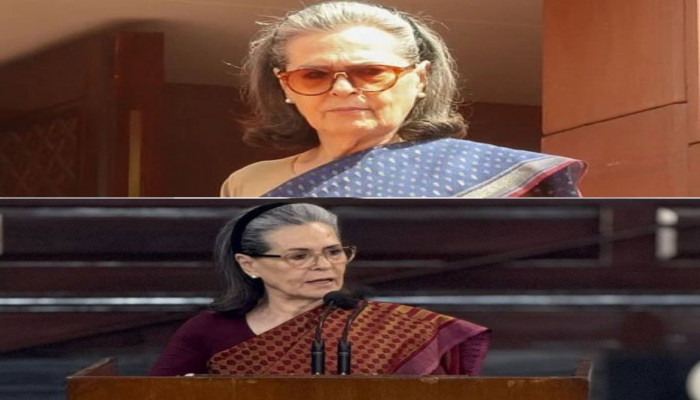
A Delhi court has asked Sonia Gandhi to submit her written arguments in a criminal revision petition that questions her inclusion in the voter list. The matter was heard by the Rouse Avenue Court, which has scheduled the next hearing for 16 May. The court directed both sides to file their written submissions within a week before the next date.
The case is based on a plea that alleges irregularities in Gandhi’s entry into the electoral rolls. The petition claims that her name appeared in the voter list before she had obtained Indian citizenship. This has led to accusations of possible fraud. During the recent hearing, the complainant’s lawyer completed oral arguments and requested permission to submit additional documents. These documents include material collected from the Election Commission of India. The court allowed this request and agreed to take the documents on record.
The petition was filed by advocate Vikas Tripathi. It does not demand an immediate trial. Instead, it seeks a direction for the police to investigate the claims. The complainant’s counsel argued that the timing of Gandhi’s alleged inclusion in the voter rolls raises serious concerns. He suggested that such inclusion may have been based on incorrect or misleading documents.
On the other side, Gandhi’s legal team asked the court for permission to make further submissions during the next hearing. The court accepted this request. In her response, Gandhi has denied all the allegations made against her. She has described the claims as politically motivated and without any factual support. According to her, matters related to citizenship fall under the authority of the central government. She also stated that issues concerning electoral rolls come under the jurisdiction of the Election Commission.
The revision petition challenges an earlier decision made by a Magistrate court. It had dismissed the complaint, which sought the registration of a First Information Report (FIR). The magistrate had ruled that courts cannot interfere in matters that are under the control of constitutional authorities. The decision referred to Article 329 of the Constitution of India, which limits judicial intervention in electoral issues.
Gandhi’s reply further states that there is no reliable evidence to support the allegations of fraud or forgery. She has called the case an abuse of the legal process. Her legal position maintains that the complaint lacks substance and should not be pursued further.
The issue has also gained political attention. The Bharatiya Janata Party has raised concerns about possible irregularities in voter lists. In contrast, the Indian National Congress has rejected these claims. The party has termed the allegations as baseless and politically driven.
The court will now review the written submissions from both sides in the next hearing. The outcome of this stage may decide whether the case proceeds further or not.



 Loading...please wait
Comments