




Delhi Cabinet clears 'Parivartan' scheme to replace old commercial vehicles with cleaner BS-VI, EV models
- In Reports
- 06:49 PM, Jul 20, 2026
- Myind Staff
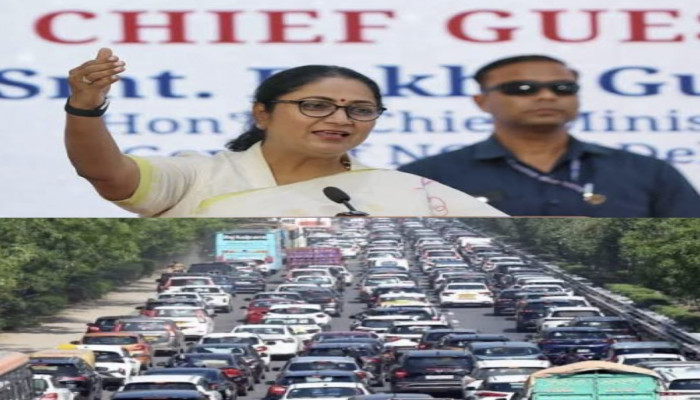
The Delhi Government has approved the implementation of the Centre's 'Parivartan' scheme to replace old commercial vehicles with cleaner alternatives across the national capital. The scheme, launched by the Ministry of Road Transport and Highways, aims to reduce transport-related pollution by encouraging owners of old trucks and buses to shift to BS-VI or electric vehicles. The full name of the initiative is Program for Accelerated Renewal and Incentivisation of Vehicle Assets for Reducing Transport Air Pollution and Network Emission (PARIVARTAN).
The proposal received approval during a recent Delhi Cabinet meeting. Chief Minister Rekha Gupta said the scheme will help replace old, high-polluting trucks and buses in Delhi-NCR with vehicles that meet BS-VI or stricter emission standards or with electric vehicles. She said the move will strengthen the capital's clean transport system, support the modernisation of commercial vehicles, and help reduce air pollution caused by road transport.
The government has announced several incentives for vehicle owners who choose to replace their old commercial vehicles. Owners who scrap a BS-IV or older Light Goods Vehicle (LGV) and buy a new electric LGV will receive a 100% exemption from motor vehicle tax for 10 years. They will also get a complete waiver of registration fees from the Delhi Government. Along with these benefits, eligible buyers will receive a 5% interest subsidy, an 8% discount from the Original Equipment Manufacturer (OEM), and a one-time benefit equal to the value of a fuel voucher.
The scheme also offers benefits to owners who buy a used electric LGV instead of a new one. These buyers will receive a 50% exemption on motor vehicle tax for 10 years. They will also qualify for a 5% interest subsidy and a one-time benefit equal to the value of a fuel voucher.
Medium Goods Vehicles (MGVs) and Heavy Goods Vehicles (HGVs) that are BS-IV compliant or older also fall under the scheme. Owners who scrap these vehicles and purchase new BS-VI vehicles, vehicles with stricter emission standards, or electric goods vehicles will receive a 100% exemption on motor vehicle tax for 10 years. They will also get a complete waiver of registration fees, a 5% interest subsidy, an 8% OEM discount, and a one-time benefit equal to the value of a fuel voucher.
Vehicle owners who purchase a used BS-VI or electric goods vehicle instead of a new one will receive a 50% exemption on motor vehicle tax for 10 years. They will also receive a 5% interest subsidy and a one-time benefit equal to the value of a fuel voucher.
The scheme also includes old buses that are BS-IV compliant or older. These buses can only be replaced with BS-VI CNG buses or electric buses. Owners replacing these buses will receive the same benefits available to goods vehicle owners under the scheme.
The release also stated that eligible vehicles marked for scrapping will receive relief from outstanding road tax and fitness penalty liabilities that have remained unpaid for more than one year. This measure will reduce the financial burden on vehicle owners who participate in the scheme.
The government has also relaxed the scrapping requirement for certain vehicles. BS-IV vehicles identified for replacement under the scheme will not have to undergo mandatory scrapping in every case. Owners can sell these vehicles in non-NCAP cities located outside the National Capital Region. Non-NCAP cities are those that are not included in the National Clean Air Programme list.
Chief Minister Rekha Gupta said around 2.07 lakh truck and bus owners across Delhi-NCR are expected to benefit from the initiative. She said the scheme will replace a large number of old commercial vehicles with cleaner and modern alternatives. This shift will help reduce vehicular pollution and improve air quality across the region.
The Chief Minister also reaffirmed the Delhi Government's commitment to promoting clean transportation. Under the scheme, all Light Goods Vehicles purchased in Delhi must be electric. Bus operators can only purchase BS-VI CNG buses or electric buses under the initiative. These conditions aim to encourage the adoption of cleaner technologies across the commercial transport sector.
The Chief Minister added that the scheme will further strengthen the goals of the Delhi EV Policy 2026. It will speed up the modernisation of the commercial vehicle fleet and support efforts to reduce pollution from road transport. The Union Ministry of Road Transport and Highways will administer the entire scheme.



 Loading...please wait
Comments