




Defence Minister Rajnath Singh inaugurates India’s first military medicine department
- In Reports
- 01:48 PM, Jul 31, 2026
- Myind Staff
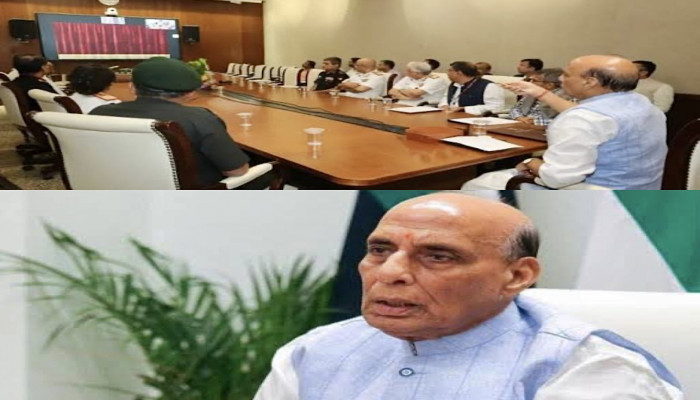
Defence Minister Rajnath Singh inaugurated India's first Department of Military Medicine at the Command Hospital (Central Command) in Lucknow, marking a major milestone in strengthening the country's military healthcare system. The new department aims to improve medical preparedness for modern warfare, battlefield injuries, humanitarian missions and disaster response. The facility will serve as the country's primary centre for research, education and innovation in military medicine. It will also strengthen combat readiness and enhance the Armed Forces' ability to respond to medical emergencies during operations.
The Defence Minister said the nature of warfare has changed significantly in recent years. He noted that threats from weapons of mass destruction continue to exist in the modern world. He stressed that the Armed Forces need specialised medical systems that can respond effectively to such challenges. He added that military doctors must remain prepared to deal with both conventional battlefield injuries and complex medical emergencies that arise during modern military operations.
Rajnath Singh also highlighted the unique conditions in which Indian soldiers serve. He said troops often operate in difficult terrains, extreme weather conditions and challenging operational environments. These situations expose soldiers to physical as well as psychological stress. He said the newly established department will develop specialised medical protocols that address these unique challenges. These protocols will help military doctors provide better treatment and improve the overall health and operational efficiency of soldiers.
The Department of Military Medicine has been established under the Directorate General of Medical Services (Army). It has been designed as a centre of excellence for the Armed Forces Medical Services. The department will become the country's main academic, research and doctrinal institution for military medicine. It will support the development of advanced medical practices that meet the evolving needs of India's defence forces.
The institution will offer structured education and specialised training in military and operational medicine. It will introduce postgraduate programmes in combat medicine, combat surgery and trauma care. These programmes will prepare military doctors and healthcare professionals to handle complex battlefield situations with greater expertise. The department will also promote advanced learning and research in specialised areas of military healthcare.
The Defence Minister emphasised that preventive healthcare should remain the first line of defence for the Armed Forces. He said medical systems should identify health risks at an early stage and reduce their impact through effective preventive measures. He underlined the importance of disease surveillance, vaccination programmes, sanitation, proper nutrition, occupational health measures and regular medical screenings. These efforts will help maintain the health of soldiers and improve operational readiness.
Rajnath Singh also stressed the need to adopt advanced technologies in military healthcare. He said artificial intelligence, wearable health devices, predictive analytics and modern diagnostic tools can significantly improve medical monitoring. These technologies will allow healthcare teams to track soldiers' health in real time and identify medical issues quickly. Early detection and timely intervention will improve treatment outcomes and help maintain the fighting strength of the Armed Forces.
The new department will focus on several specialised areas of military medicine. These include military trauma and damage control, combat psychiatry, resilience, environmental medicine, operational medicine, military medical logistics, CBRNe medical response, emergency medicine, disaster medicine, humanitarian assistance and disaster relief. It will also support research, medical audits and data analytics to improve military healthcare systems through evidence-based practices.
The institution will also encourage innovation in battlefield medicine. It will promote simulation-based training to prepare medical teams for real combat situations. The department will expand the use of telemedicine to support troops deployed in remote areas. It will also strengthen prolonged field care and improve medical decision support systems. These initiatives will help doctors deliver effective treatment even under difficult operational conditions.
The Defence Minister expressed confidence that the new department would strengthen India's national security. He said advanced medical support gives soldiers greater confidence during military operations. Reliable healthcare systems improve morale and ensure that troops receive timely medical assistance whenever required. He described the establishment of the department as a major step forward in strengthening India's defence capabilities. He also said it would improve the country's humanitarian response during emergencies and disasters.
The Department of Military Medicine will be developed in multiple phases. The first phase will focus on launching academic programmes and strengthening training activities. Future phases will establish dedicated centres of excellence in humanitarian assistance, disaster relief and CBRNe medicine. These specialised centres will expand research and improve operational capabilities. Over time, the department is expected to become a nationally and internationally recognised institution for military medicine.
India continues to play an important role in United Nations peacekeeping missions and humanitarian operations across the world. The new department will strengthen the country's expertise in disaster response, field hospital deployment, mass casualty management and epidemic control. These capabilities will improve India's contribution to international humanitarian missions and enhance its standing in global military medicine research and practice.
Rajnath Singh also said the department would create new career opportunities for young medical professionals. Doctors and healthcare specialists will now have the opportunity to pursue super-specialisation in military medicine. This initiative will strengthen the intellectual capacity of the Armed Forces Medical Services and encourage advanced research in defence healthcare. It will also help India build a highly skilled workforce capable of addressing future military medical challenges.
The inauguration of India's first Department of Military Medicine represents a significant step in modernising the country's defence healthcare system. The institution combines education, research, innovation and specialised training under one platform. It will strengthen battlefield medical care, improve disaster preparedness and support humanitarian operations. The department is expected to play a vital role in protecting the health of soldiers while advancing India's position as a global leader in military medicine.



 Loading...please wait
Comments