




Cyclone Amphan was largest source of displacement in 2020: IPCC report
- In Reports
- 10:49 PM, Mar 03, 2022
- Myind Staff
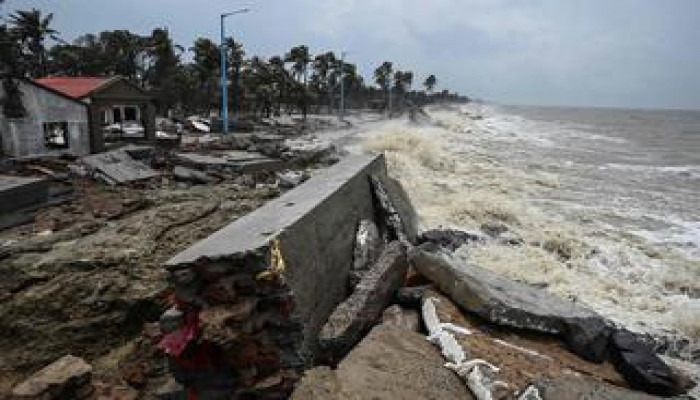
Cyclone Amphan, which hit the West Bengal coast in May 2020 amidst the Covid-19 pandemic, was the largest source of displacement that year, says the latest report of the Intergovernmental Panel on Climate Change (IPCC).
“Cyclone Amphan was the largest source of displacement in 2020, with 2.4 million displacements in India alone, out of which around 800,000 was pre-emptive evacuation by the authorities,” the report says.
The report suggested that the cyclone was a leading cause of displacement in 2020, with 2.4 million people displaced in India alone, including 8,00,000 people who were evacuated ahead of time by authorities. “The combined drop of both aerosols (because to COVID-19-related lockdowns) and clouds may have contributed to the increasing sea surface temperature, aggravating the warming of the seas caused by climate change,” the report had pointed out.
For north Bengal, the IPCC report pointed out “considerable shift in biological markers was seen in Darjeeling district as a result of climate change and pollution. Higher temperatures are predicted to have a severe influence on the riverine system when glaciers melt”.
On the Sundarbans, Dr. Prakash suggested “there is a need for a specialised protection plan”, and added that “West Bengal as a State is at a critical juncture where we really have to act now. The next 10-15 years are very crucial for all of us.”
The second part of the IPCC’s Sixth Assessment Report (AR-6) was released earlier this week. The report has sounded the warning for extreme weather events across India.
"The latest IPCC report emphasises how cities like Kolkata would be impacted more frequently as a result of climate change. Heat stress will be quite significant in the coming years, according to the analysis, while cyclonic systems will have a greater influence on the metropolis. Most likely, a city like Kolkata will face a double whammy with heat and humidity plus the impact of increased frequency of cyclones.” said climate scientist Anjal Prakash, one of authors of the latest IPCC report.
Image courtesy: AFP



 Loading...please wait
Comments