




Cuba open to $100 million US aid but wary of Trump’s motives
- In Reports
- 01:14 PM, May 15, 2026
- Myind Staff
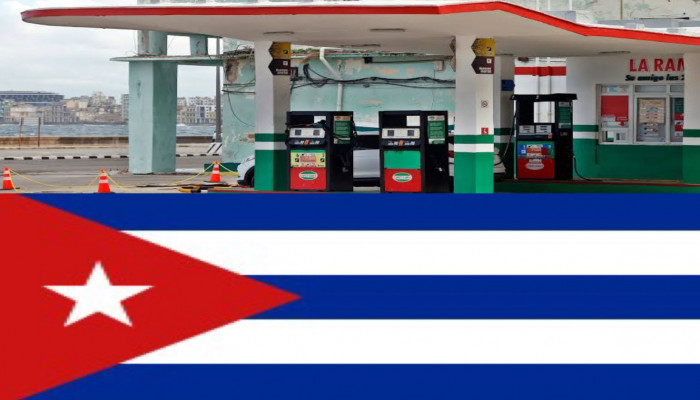
Cuba has said it is willing to consider a United States offer of $100 million in humanitarian aid, though the government remains doubtful about President Donald Trump’s intentions as the country struggles through a worsening fuel and electricity crisis. The offer comes at a time when a U.S. oil blockade has severely affected public services across the island, creating shortages of fuel, food, electricity and medicine.
Cuban Foreign Minister Bruno Rodriguez said the communist-run government would review the proposal, but stressed that the aid should not come with political conditions. “We hope it will be free of political manoeuvring and attempts to exploit the hardships and suffering of a people under siege,” Rodriguez said on social media.
Last week, the U.S. State Department said it had privately offered Cuba $100 million in aid along with “free and fast satellite internet.” According to Washington, the support would be provided only if Cuba agreed to carry out “meaningful reforms.” However, Rodriguez denied that such a formal offer had been made and described it as a “fable.” The Trump administration later publicly repeated the offer in an official statement on Wednesday.
The humanitarian situation in Cuba has become more serious in recent months after Trump threatened tariffs in January against countries that continued supplying fuel to the island. Following the warning, Cuba’s key allies, including Mexico and Venezuela, sharply reduced or stopped oil shipments. This pushed the country deeper into an energy crisis. Large parts of Havana have faced long blackouts lasting up to 20 or 22 hours a day. Public transport, hospitals and other essential services have also been affected.
The United Nations recently criticised the U.S. fuel blockade and called it unlawful. UN experts said the restrictions had damaged the “Cuban people’s right to development while undermining their rights to food, education, health, and water and sanitation.” They also warned that the measures had pushed the country closer to collapse by worsening shortages across the island.
Cuban President Miguel Diaz-Canel said Havana would accept the aid only if it followed international humanitarian standards. At the same time, he questioned Washington’s approach and said the U.S. could help Cuba more effectively by ending sanctions instead of offering limited financial support. Diaz-Canel described the proposal as “inconsistent and paradoxical.” He added that if the money were accepted, Cuba would mainly use it to buy fuel, food and medicine.
The Trump administration has continued to increase pressure on Cuba since returning to office. Washington has accused the Cuban government of corruption and incompetence and has openly said it wants political change on the island. New sanctions have targeted Cuban state-linked businesses, financial operations and energy networks. Trump has also expanded restrictions on travel and financial transactions connected to Cuba.
Despite the tensions, both countries have held limited discussions in recent months. However, negotiations reportedly slowed down in recent weeks as the energy crisis worsened. On Thursday, the Cuban government confirmed that CIA Director John Ratcliffe had met Cuban officials in Havana. According to a CIA official, Ratcliffe told Cuban intelligence leaders that the United States was ready to cooperate on economic security matters if Cuba made “fundamental changes.”
The crisis has also triggered public frustration inside Cuba. Recently, protests broke out in Havana after severe blackouts spread across the capital. Demonstrators gathered in several neighbourhoods, banging pots and demanding electricity. The government blamed the worsening conditions on the U.S.-led blockade and the sudden collapse of fuel imports.
Even as Cuba considers the American aid proposal, distrust between the two countries remains strong. Cuban leaders continue to argue that the sanctions are responsible for much of the country’s economic suffering. The United States, meanwhile, insists that reforms are necessary before any long-term cooperation can move forward.



 Loading...please wait
Comments