



Crown Prince Reza Pahlavi urges Iranians to continue protests, warns of possible internet shutdown by regime
- In Reports
- 06:24 PM, Jan 08, 2026
- Myind Staff
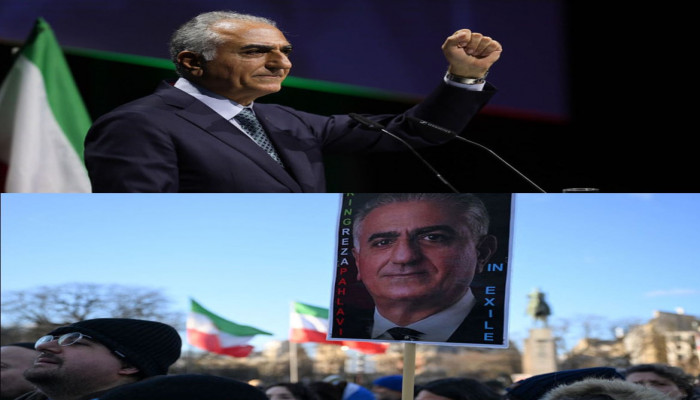
Iran’s Crown Prince Reza Pahlavi has once again urged people across Iran to continue nationwide protests, warning that the Islamic Republic may attempt to shut down internet services in an effort to suppress growing unrest. His message came amid reports of widespread demonstrations and increasing concerns about a possible harsher crackdown by the authorities.
On Wednesday night, Pahlavi shared a message on social media addressing Iranians who had taken part in protests earlier that day. He described the public participation as historic and said it showed the country’s readiness for the next stage of demonstrations planned for the following evening.
“My fellow countrymen, today, Wednesday, January 7, your presence across Iran was unprecedented,” Pahlavi wrote. “And this constitutes a declaration of readiness for tomorrow’s plan.”
The Crown Prince was referring to his earlier call for coordinated protests and chanting across Iran at 8 p.m. on Thursday, January 8. He also mentioned that another round of protests was planned for 24 hours later. According to Pahlavi, reports suggested that the Islamic Republic was “deeply frightened” by the scale of public participation and was considering imposing another nationwide internet shutdown.
Pahlavi warned that cutting off internet access would not weaken the protest movement. Instead, he said it would further motivate people to remain on the streets. He reassured Iranians that communication would continue even if authorities attempted to restrict online access.
“Know that our communication will not be severed,” Pahlavi said, pointing to alternative ways of staying connected. He mentioned satellite internet access and Persian-language television networks that operate outside Iran but are watched inside the country.
The Crown Prince strongly criticized the idea of an internet shutdown, calling it a mistake that would backfire on the regime.
“If the regime commits such a mistake and cuts the internet, that it will be another call to continue your presence and to take over the streets,” he wrote. “In this way, you will drive yet another nail into the coffin of this regime.”
Internet shutdowns have often been used by Iranian authorities during periods of unrest and are widely seen as a sign that harsher crackdowns may follow. The Islamic Republic has previously imposed near-total internet blackouts during major protest movements, including during the November 2019 demonstrations and the 2022 protests that erupted after the death of Mahsa Amini.
Pahlavi’s message reflected confidence in the momentum of the current protest movement. He ended his statement with a message of hope and determination.
“You will be victorious. Long live Iran,” he declared.
This message followed Pahlavi’s first direct appeal earlier on Wednesday for coordinated nationwide protests. In that earlier call, he urged Iranians to gather in large numbers while remaining disciplined and peaceful. He also made a direct appeal to members of Iran’s security forces, asking them not to fire on protesters.
Pahlavi called on security personnel to abandon violent orders and instead “return to the embrace of the nation,” signalling his effort to encourage defections and reduce violence against demonstrators.
The protests, which began on December 28, have spread to scores of cities across Iran. According to reports, at least 36 people have been killed since the demonstrations began. Among the dead are two members of the security forces. In addition, more than 2,000 people have reportedly been arrested during the unrest.
As tensions continue to rise, concerns remain that the government may resort to stricter measures, including internet shutdowns, to regain control. Pahlavi’s statements highlight both the growing scale of the protests and the fears of an intensified response by the authorities.
Despite these concerns, the Crown Prince’s repeated calls emphasize persistence, unity, and confidence in the protest movement’s ability to continue, even under increased pressure.



 Loading...please wait
Comments