




Conservative leader Keiko Fujimori wins closely fought Peruvian presidential election
- In Reports
- 12:54 PM, Jul 04, 2026
- Myind Staff
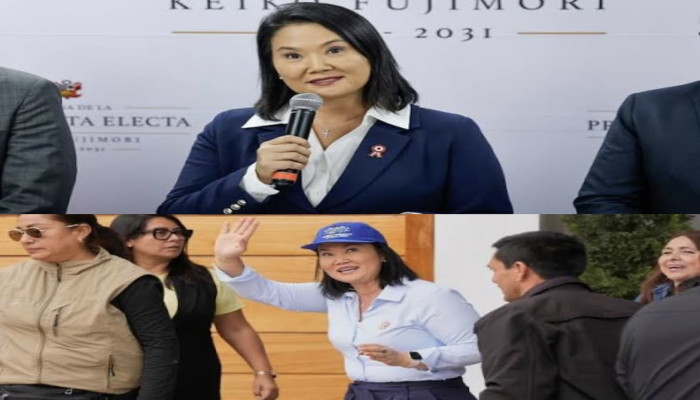
Peru's electoral office officially declared conservative leader Keiko Fujimori the winner of the country's presidential election on Friday. The announcement came after several weeks of protests, fraud allegations, and the review of disputed ballots following one of the closest elections in the country's history.
Fujimori secured 50.135% of the votes in the June 7 presidential runoff. She defeated left-wing congressman Roberto Sanchez, who received 49.865% of the vote. The difference between the two candidates stood at around 50,000 votes out of nearly 18 million ballots. The victory marked Fujimori's first presidential win after three unsuccessful attempts to reach the country's highest office.
Speaking at her party headquarters alongside her team, Fujimori said, “We’re going to identify all the best practices, initiatives, and projects that have yielded results so that they can continue. Today marks the beginning of a new era for Peru — an era of responsibility, dialogue, and results to restore confidence in our institutions.”
The result reversed Fujimori's narrow defeat in the 2021 presidential election. She had then lost to former leftist President Pedro Castillo by around 45,000 votes. Castillo later faced impeachment and went to jail after attempting to dissolve Congress in 2022.
Many people view Roberto Sanchez as Castillo's political successor. Sanchez has refused to accept Fujimori's victory. He claimed electoral fraud without presenting evidence. He also led demonstrations against the election outcome and filed a complaint before the Inter-American Commission on Human Rights, challenging the election process.
Sanchez received strong support from Peru's rural regions. He led the early vote count and narrowly won the votes cast within Peru. Fujimori, however, gained overwhelming support from voters in Lima, the country's capital region. She also secured a large lead among overseas voters. These votes helped her move ahead and win the presidency.
The closely contested election once again exposed Peru's deep political divisions and ongoing instability. The country has experienced repeated political crises over the past decade. Several presidents have left office during this period after facing dismissal or political pressure.
Fujimori will take office on July 28. She will become Peru's tenth president since 2016. She will succeed interim President Jose Balcazar, who assumed office in February after another series of presidential dismissals linked to allegations of corruption or abuse of power.
Her victory also strengthened the growing shift toward conservative leadership across Latin America. Several right-wing leaders quickly congratulated Fujimori after the official result. These included Argentina's Javier Milei, Chile's José Antonio Kast, and El Salvador's Nayib Bukele.
The United States also welcomed the election outcome. U.S. Secretary of State Marco Rubio congratulated Fujimori in a statement on Tuesday. He said President Donald Trump's administration looks forward to expanding cooperation with Peru in the areas of security, trade, and investment.
Financial markets also reacted positively to Fujimori's victory. Investors had expressed concern over the possibility of a Sanchez presidency. On Thursday, Moody's released a report stating that a Fujimori government would maintain policy continuity, improve investor confidence, and support the country's economic growth.
The report also stated that her administration could help restart several delayed mining projects. Peru is the world's third-largest producer of copper, making the mining sector an important part of the country's economy.
At 51, Keiko Fujimori belongs to one of Peru's most well-known political families. She is the daughter of former President Alberto Fujimori, who ruled the country from 1990 to 2000. His government defeated Maoist insurgent groups and controlled severe hyperinflation. At the same time, his presidency remains highly controversial.
Alberto Fujimori spent 16 years in prison after convictions related to human rights abuses. Keiko Fujimori also faced legal troubles over campaign financing allegations. Authorities investigated her for several years, although they dropped the case last year. During the investigation, officials jailed her multiple times between 2018 and 2020. She spent nearly one and a half years behind bars.
As Peru's next president, Fujimori now faces the challenge of bringing together a deeply divided nation. She must work with a fragmented Congress that has repeatedly removed presidents from office in recent years. The country also continues to face a wide economic gap between Lima and rural regions.
These rural areas witnessed large protests and violent clashes with security forces after Pedro Castillo's removal from office. More than 60 people lost their lives during the unrest. The same regions strongly supported Roberto Sanchez in the election. His party, Together for Peru, now holds the second-largest number of seats in Congress, while Fujimori's party controls the largest bloc.



 Loading...please wait
Comments