




Chinese satellite equipment acquired by Iran through UAE network used in drones that struck Abu Dhabi: Report
- In Reports
- 01:52 PM, May 25, 2026
- Myind Staff
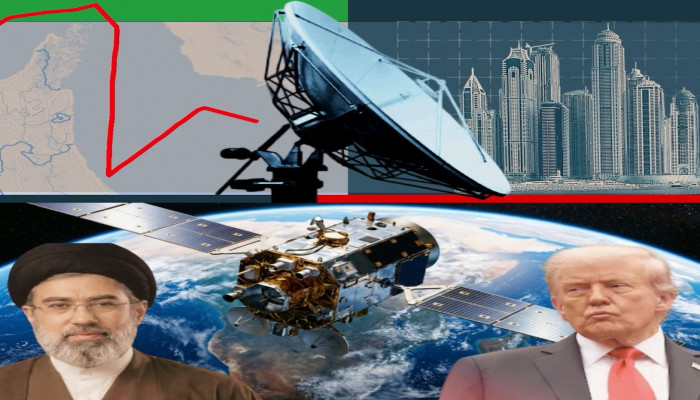
Iran’s Islamic Revolutionary Guard Corps (IRGC) secretly obtained advanced Chinese satellite communication technology through a UAE-based procurement network, according to an investigative report by the Financial Times. The report, based on leaked commercial contracts and shipping records, said the same technology was later connected to Iran’s drone and missile programmes.
The investigation claimed that the IRGC Aerospace Force purchased a military-grade satellite antenna from China in late 2025 through Telesun, a company operating in Ras al-Khaimah in the UAE. The antenna was reportedly manufactured by the Chinese company StarWin. The equipment was said to be highly advanced, measuring around 4.5 metres in size and weighing nearly 1.8 tonnes.
According to the report, the shipment first travelled from Shanghai to Dubai’s Jebel Ali Port. It was later transported to Iran on an Iranian vessel named Rama III. The report further stated that the ship allegedly used GPS spoofing techniques to hide its actual route during the journey.
Maritime tracking systems reportedly showed the vessel near Oman at one stage of the trip. However, satellite imagery did not place the ship in the same location. Later satellite images reportedly showed a vessel matching the description of Rama III docked at Shahid Rajaee Port in Bandar Abbas, Iran. Shipping records mentioned the same Iranian port as the final destination of the cargo.
The documents reviewed in the investigation claimed that the equipment was delivered to Ertebatat Faragostar Kish (EFK), an Iranian telecommunications company. The shipment was reportedly linked to a project connected to the Saman Industrial Group.
The Saman Industrial Group had already been sanctioned by the US Treasury in 2023. The US had accused the company of acting as a front organisation for the IRGC Aerospace Force’s research and development division. According to the sanctions details, the division was involved in Iran’s drone development, ballistic missile activities and electronic warfare programmes.
The report has once again raised concerns among Western countries about how Iran may be using Gulf free-trade zones and offshore business networks to bypass international sanctions. Experts quoted in the report said the UAE has long been an important commercial centre for Iranian businesses. They also noted that oversight and monitoring in some free-trade zones are considered weaker compared to other international business hubs.
The findings have become even more significant because the same Gulf nation that served as a transit point for the equipment later came under attack from Iran. According to the report, Iran launched more than 2,800 drones and missiles at the UAE after the US-Israeli strikes. The attacks reportedly targeted both civilian and strategic locations, including areas connected to Abu Dhabi’s financial and energy infrastructure.
The investigation has also increased pressure on the UAE over concerns about sanctions enforcement and monitoring of companies operating in its free zones. Western officials and experts have repeatedly warned that such business hubs can sometimes be used by sanctioned entities to acquire sensitive technology and equipment.
The report further highlighted growing international concerns regarding China-based firms that are allegedly supplying technology linked to Iran’s military programmes. The United States has already imposed sanctions on several entities accused of helping Iran obtain equipment and components for its defence sector.
Reacting to the revelations, the US State Department said, “The United States will continue to take action against China-based entities that support Iran. Those targeting US troops and allies will be held accountable.”
The investigation has once again brought attention to the complex global networks used to move sensitive military technology across borders despite international restrictions. It has also highlighted how commercial routes through Gulf countries remain under scrutiny as Western nations continue monitoring Iran’s defence and procurement activities.



 Loading...please wait
Comments