




Chinese firm shuts Gwadar operations, raises fresh concerns over CPEC in Pakistan
- In Reports
- 05:57 PM, May 02, 2026
- Myind Staff
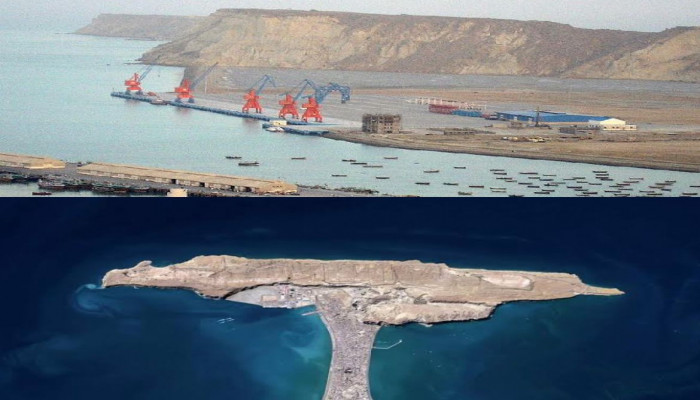
In a significant setback for Pakistan’s ambitious infrastructure push under the China-Pakistan Economic Corridor, a Chinese trade company, Hangeng Group, has decided to shut down its operations in Gwadar. The move highlights growing challenges linked to bureaucratic delays, security concerns, and policy uncertainty in the strategically important Balochistan region.
The decision reflects the increasing difficulty Pakistan faces in maintaining Chinese investments, despite repeatedly emphasising strong ties between the two countries. Hangeng Group, which had established its presence in Gwadar as part of trade and export activities, announced the immediate closure of its facility in a statement issued on May 1, 2026.
The company clearly stated that it could no longer continue its operations due to “ongoing non-market factors and operational barriers.” This highlights concerns that go beyond routine business challenges and point towards deeper structural issues affecting foreign companies operating in the region.
Despite complying with Chinese customs requirements and meeting international Hazard Analysis and Critical Control Points (HACCP) food safety standards, the company said its exports were still blocked. This situation created serious operational problems, as the firm was unable to move its goods despite following all necessary procedures.
Over a period of three months, Hangeng Group reported heavy financial losses. These included expenses such as employee salaries, penalties, and demurrage charges, all of which continued to rise while the company waited for approvals. The delay in clearances added to the pressure and made it difficult for the company to sustain its operations.
The company also expressed frustration over the nature of these challenges. It stated that the issues had gone “beyond what any enterprise can resolve on its own,” even though the project was part of the flagship CPEC initiative. This statement points to a lack of effective support systems for investors working within large-scale infrastructure projects.
According to the company’s statement, Pakistan’s Prime Minister Shehbaz Sharif is expected to visit China later this month. The visit is planned in connection with a business-to-business (B2B) investment forum, which aims to strengthen economic cooperation between the two countries.
However, Hangeng Group has urged caution for other Chinese firms that are considering investments in Pakistan. The company’s warning comes ahead of the planned B2B forums and highlights concerns related to policy implementation gaps and institutional inefficiencies. This could influence how future investors assess opportunities in the country.
The company’s exit also comes at a time when security concerns in Balochistan remain high. Insurgent groups such as the Baloch Liberation Army have repeatedly targeted Chinese workers and infrastructure projects in the region. These groups view such projects as exploitative, leading to frequent attacks and increased risks for foreign companies.
At the same time, questions are being raised about Pakistan’s broader foreign policy approach. There is growing concern that the country’s attempt to balance its relationships with China and the United States may be affecting the progress of CPEC. Pakistan has recently sought closer ties with the US for economic and security support, while still depending heavily on Chinese investments.
This balancing act appears to be creating uncertainty. It may be weakening trust with Beijing, which has been a key partner in Pakistan’s development plans. The situation raises doubts about the long-term stability of major projects under CPEC.
Gwadar Port, which was envisioned as a major hub for trade and energy routes, continues to face several challenges. Low cargo activity, gaps in infrastructure, and dissatisfaction among local communities have slowed its growth. These issues, combined with ongoing instability in Balochistan, highlight the risks associated with large connectivity projects.
Overall, the exit of Hangeng Group signals deeper concerns about the viability of foreign investments in Pakistan under current conditions. It reflects the combined impact of administrative hurdles, security risks, and shifting political priorities. The development adds pressure on Pakistan to address these issues if it wants to sustain investor confidence and ensure the success of projects like CPEC.



 Loading...please wait
Comments