



China’s Yarlung Tsangpo mega dam raises alarm in India over water security risks
- In Reports
- 06:12 PM, Dec 18, 2025
- Myind Staff
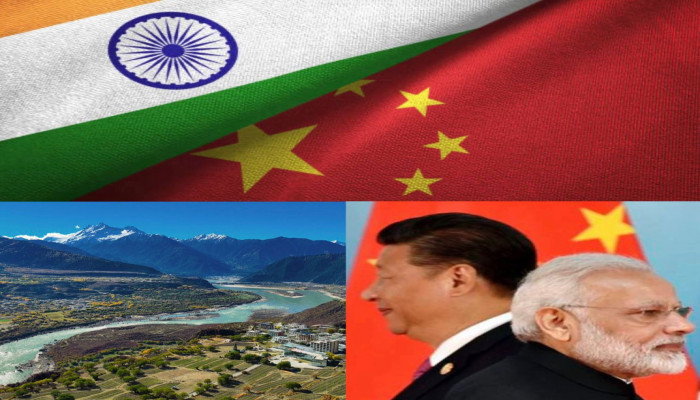
China is reportedly moving ahead with a massive hydropower project on the Yarlung Tsangpo River in Tibet, triggering serious concerns in India over water security, environmental impact and the safety of people living downstream. The river flows into India as the Brahmaputra, one of the most important rivers in the country’s northeast, supporting millions of people.
Experts and officials in India have warned that any large-scale construction on the river upstream could affect its natural flow and pose risks to downstream regions. The concerns are particularly strong in Arunachal Pradesh and Assam, where the Brahmaputra is essential for agriculture, fishing and daily water needs.
According to a report by CNN, China’s proposed hydropower project is estimated to cost $168 billion. The project aims to harness a steep 2,000-metre drop in altitude along the river. To generate electricity, the plan includes an extensive network of dams, reservoirs, tunnels and underground power stations in the lower reaches of the Yarlung Tsangpo in Tibet.
The scale of the project has raised alarms in India, as the Brahmaputra is a transboundary river and any major intervention upstream can have direct consequences downstream. Experts fear that altering the river’s natural flow could increase flood risks, reduce water availability during dry seasons and disrupt fragile ecosystems.
For India, the issue is not limited to environmental concerns alone. There are also strategic and security implications linked to the project. Arunachal Pradesh Chief Minister Pema Khandu has expressed strong concerns, warning that the dam could pose a serious threat to downstream areas.
Khandu had cautioned that the project could turn into a “ticking water bomb”, highlighting the danger of China potentially controlling the timing and volume of water released into the Brahmaputra. He warned that the sudden release of large amounts of water could cause flooding in downstream regions, while restricting the flow could dry up river stretches during critical periods.
Such actions, he said, could severely affect people living along the river and put livelihoods at risk. The concern is that control over water flow could be used as a pressure tool, especially during times of tension between the two countries. India’s Ministry of External Affairs (MEA) has acknowledged these concerns and said that the government is closely monitoring developments related to the project. In August, the MEA issued a statement on reports of construction activity on the river.
“The Government of India has taken note of reports about the commencement of construction of the mega dam project by China on the lower reaches of the Yarlung Tsangpo (upper reaches of the Brahmaputra) River in Tibet,” the MEA said.
The ministry added that India has been consistently monitoring developments related to the Brahmaputra River. It also stressed the need to safeguard the interests of downstream states and ensure that activities upstream do not adversely affect them.
Officials have pointed out that India has raised its concerns with China in the past and has emphasised the importance of transparency and sharing of information on projects located on Trans boundary Rivers.
According to available information, the hydropower project on the Yarlung Tsangpo is not a new proposal. It was first made public in 1986, but recent reports suggesting progress on construction have renewed attention and concern in India.
The Himalayan region, where the river flows, is known to be ecologically sensitive. Experts have warned that large dam projects in such areas can disturb the natural balance of the region. Changes in sediment flow, river ecology and water patterns can have long-term consequences for both people and the environment downstream.
China has maintained that its hydropower projects are meant for development and energy generation. However, Indian officials remain cautious due to the lack of a formal water sharing agreement between the two countries for the Brahmaputra River. Without a binding framework, India depends largely on monitoring, diplomatic engagement and official assurances to protect its interests. This makes developments on the Yarlung Tsangpo a matter of continued concern.
As reports of China pressing ahead with the project continue, the issue remains under close watch in New Delhi. With millions of people dependent on the Brahmaputra, any disruption in its flow could have serious consequences.
The situation underlines the importance of dialogue, transparency and cooperation between countries sharing international rivers, especially when large infrastructure projects are planned upstream.



 Loading...please wait
Comments