




China’s trade surplus crosses $1 trillion as AI boom drives exports
- In Reports
- 05:50 PM, Nov 10, 2026
- Myind Staff
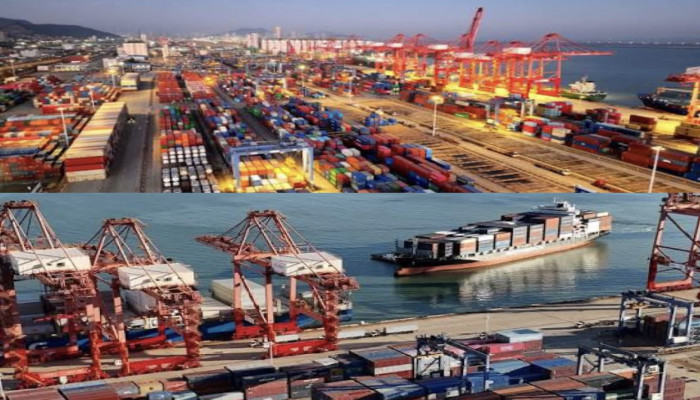
China’s trade surplus crossed $1 trillion in the first 10 months of 2026 as rising global investment in artificial intelligence (AI) infrastructure boosts demand for high-tech products. Strong exports helped offset weak domestic demand, but the growing surplus could increase trade tensions with major economies, including the European Union (EU).
China’s exports rose 35.2% in October compared with the same month last year, slightly below September’s 36.3% growth but above economists’ forecast of 33.5%, according to customs data released on Tuesday.
The surge pushed China’s trade surplus to $1.04 trillion between January and October. This marks the second consecutive year that the surplus has crossed $1 trillion. China also reached the milestone a month earlier than it did in 2025.
The growing trade gap could further strain ties with the EU. European leaders have called for tighter trade restrictions on China after reaching an agreement with Beijing to limit Chinese hybrid vehicle exports to the bloc over the coming years. However, the measures have not yet taken effect. Factories are expected to accelerate shipments before the restrictions begin.
China on Monday officially extended its trade truce with the United States by two months, just before the agreement was due to expire on November 10. However, Beijing said last week that further purchases of US agricultural products would depend on the implementation of the agreed reciprocal tariff reductions.
"The risk of additional tariffs and other trade barriers will remain elevated in 2027, particularly as Chinese manufacturers continue expanding their presence in overseas markets," said Joe Peissel, lead macroeconomist at Trivium China.
China’s imports also recorded strong growth, rising 41.6% in October from a year earlier. This exceeded the Reuters poll forecast of 32% and accelerated from September’s 31% growth.
Meanwhile, China’s trade surplus with the US narrowed slightly to $32.71 billion in October from $34.01 billion in September. However, the wider trade imbalance remains a major source of friction between the two economic powers.
Oil imports fell 13.3% year-on-year, although shipments reached their highest level since March. Buyers increased supplies after the US-Israeli war on Iran disrupted oil flows from the Middle East.
The trade figures come ahead of next week’s Asia-Pacific Economic Cooperation summit in Shenzhen. Chinese President Xi Jinping and US President Donald Trump are expected to meet for the third time this year. Trade disputes and tariff policies are likely to remain central to their discussions. Following their September meeting in Washington, both sides proposed a $60 billion package of reciprocal tariff reductions, including around $17 billion worth of US agricultural products.
Weak consumer spending remains a major challenge for Beijing. The prolonged property market downturn has reduced household wealth and weakened consumer confidence.
Sluggish domestic demand has also pushed Chinese automakers to expand overseas sales. Car exports maintained strong growth in October, while domestic vehicle sales declined for the 12th consecutive month, according to separate industry data.
However, greater dependence on overseas markets exposes China to potential slowdowns in global demand.
The global expansion of AI infrastructure has been a major driver of Chinese exports this year. Macquarie analysts said the export outlook would depend on the duration of the AI boom.



 Loading...please wait
Comments