




China’s tighter business visa approvals for Indian executives disrupt project execution and expansion plans
- In Reports
- 03:11 PM, Aug 07, 2026
- Myind Staff
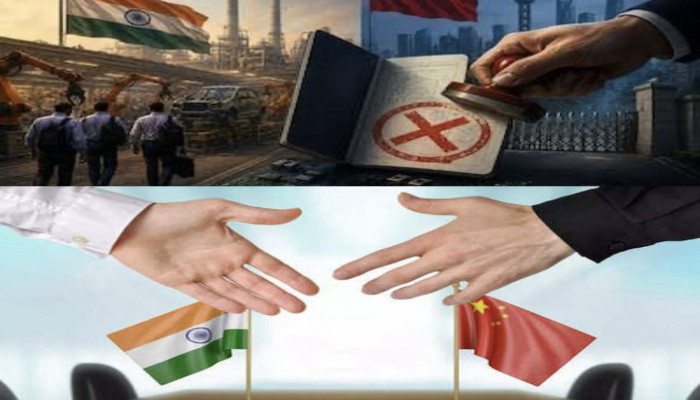
Indian businesses are facing growing difficulties in obtaining Chinese business visas, with companies reporting a sharp decline in approvals for executives travelling from India. The tighter visa process is creating concerns across industries that depend on Chinese components, machinery and technical expertise. Businesses have urged the Indian government to take up the matter with Beijing through diplomatic channels.
Indian executives travelling to China for business purposes have reported longer processing times and a higher number of visa rejections in recent months. Chinese authorities have reportedly tightened approval procedures for corporate travellers. Several contract manufacturing companies have seen approval rates fall significantly, according to a report by The Economic Times.
Executives from some companies said Chinese authorities are now approving only a limited share of business visa applications. Approval rates that were earlier close to complete have reportedly dropped to around 20-40% for some firms. The change has created uncertainty for companies that regularly send employees to China for business and technical work.
The visa difficulties are affecting sectors that continue to depend heavily on Chinese supplies. Electronics and automobile manufacturing companies use Chinese components, machinery and specialised equipment. Many firms also rely on Chinese technical experts for the installation, maintenance and operation of such equipment.
A senior executive from a large electronics manufacturing company said, “obtaining a Chinese business visa was no longer a straightforward process.” According to an executive, applications are taking much longer to process than before. Rejected applications also force companies to restart the entire process. This has made travel planning more difficult for businesses that need executives and engineers to move between India and China regularly.
The latest restrictions come as India’s manufacturing sector continues to rely on China for several critical imports. Industry estimates indicate that China supplies a substantial share of components and capital equipment used by Indian manufacturers. The level of dependence differs from one sector to another. However, electronics, automobile components and other manufacturing industries continue to maintain strong links with Chinese suppliers.
The visa restrictions could have a direct impact on manufacturing projects that require technical support from China. Indian companies often bring Chinese engineers and specialists to manufacturing facilities for equipment installation, maintenance and other technical work. Indian executives also travel to China for factory visits, supplier discussions, equipment inspections and project coordination.
Delays in business travel could affect new manufacturing projects and factory expansion plans. Companies may also face difficulties in completing technology transfers and setting up specialised production systems. Any prolonged disruption could put additional pressure on supply chains that already depend on Chinese equipment and components.
Several companies have informally approached the Indian government over the issue. They have asked officials to raise the matter with Chinese authorities through diplomatic channels. Businesses want the government to seek smoother visa procedures for executives, engineers and other personnel travelling for genuine business and technical requirements.
According to a person familiar with India-China relations, the government is aware of the concerns raised by businesses. Restrictions on the movement of business personnel could affect supply chains and technology exchange between the two countries. The issue is gaining importance as Indian manufacturers continue to expand their production capacity while remaining dependent on Chinese suppliers for key inputs and technical support.
Indian business travellers have also raised concerns on online platforms and social media forums. Some users have claimed that visa rejections have increased despite the resumption of direct flights between India and China. The return of direct air connectivity had raised expectations that business travel between the two countries would become easier.
The latest visa hurdles have added another challenge for Indian companies operating within supply chains linked to China. Businesses in electronics, automobile components and other manufacturing segments remain particularly exposed to any disruption in movement between the two countries. While India continues to strengthen domestic manufacturing and reduce import dependence, Chinese suppliers still hold an important position in several parts of the industrial ecosystem.
For companies, the immediate concern remains the ability to move executives, engineers and technical specialists when required. Any further tightening of visa approvals could increase project timelines and create operational difficulties. Businesses are therefore seeking a diplomatic solution that can ensure smoother movement of personnel while allowing manufacturing projects and supply chains to continue without major disruption.



 Loading...please wait
Comments