




China’s new ethnic unity law sparks fresh crackdown on Uyghur language and linguistic identity
- In Reports
- 02:25 PM, Apr 03, 2026
- Myind Staff
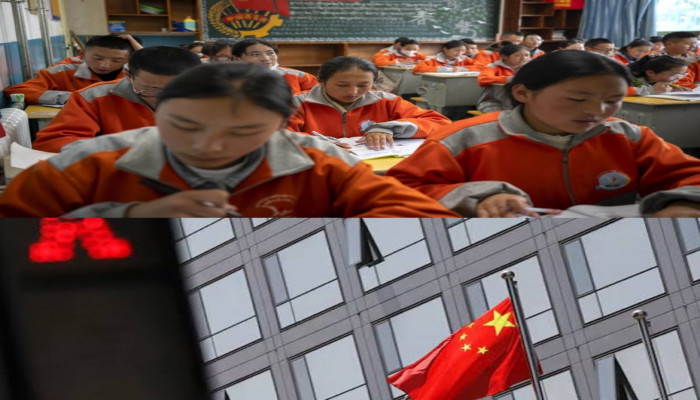
China’s newly introduced Ethnic Unity Law is intensifying restrictions on the cultural and linguistic identity of the Uyghur community. The law, presented as a measure to strengthen national unity, is being seen by observers and rights groups as another step toward tightening control over ethnic minorities, especially in the Xinjiang region.
The report highlights that the law emphasises the promotion of a unified national identity. This includes encouraging the use of Mandarin Chinese across all ethnic groups. While the Chinese government describes this as a way to improve communication and cohesion, critics argue that it directly affects the preservation of minority languages, particularly Uyghur. The increasing focus on Mandarin in schools and public life is gradually reducing the space for the Uyghur language.
In educational institutions, the implementation of the law has led to stricter policies regarding the medium of instruction. Uyghur language teaching is reportedly being limited, with more emphasis placed on Mandarin. This shift is not only changing how children learn but also influencing how cultural knowledge is passed down. Language plays a key role in maintaining traditions, and limiting its use can weaken cultural continuity over time.
The article also points out that cultural expressions are being closely monitored. Activities, literature, and even daily practices that reflect Uyghur identity are facing tighter scrutiny. Authorities are encouraging practices that align with the broader national identity, while discouraging those seen as distinct or separate. This has raised concerns about the gradual erosion of unique cultural elements.
Human rights organisations have expressed concern that the law adds to existing policies in Xinjiang that already place heavy restrictions on Uyghur communities. These include surveillance measures and controls over religious practices. The new legislation is seen as reinforcing these systems by giving them a stronger legal framework. Critics believe this could lead to further marginalisation of the Uyghur population.
The Chinese government, however, maintains that the law is necessary for stability and development. Officials argue that promoting unity helps prevent conflict and ensures economic progress. They present the policy as beneficial for all ethnic groups, claiming it creates equal opportunities and strengthens national integration.
Despite these claims, international observers remain sceptical. They argue that true unity should allow space for diversity rather than limiting it. The concern is that enforcing a single cultural and linguistic standard may lead to the loss of rich traditions that have existed for generations. The Uyghur community, known for its distinct language, music, and customs, faces the risk of cultural dilution under such policies.
The report suggests that the impact of the Ethnic Unity Law will likely become more visible over time. As policies are implemented more strictly, their effects on daily life, education, and cultural practices will be clearer. For now, the law has already sparked debate globally, with many calling for closer monitoring of its consequences.
Overall, the situation reflects a broader tension between national integration and cultural preservation. While governments may aim for unity, the methods used can shape how communities experience that goal. In the case of the Uyghurs, the new law has raised serious questions about whether unity is being achieved at the cost of identity.



 Loading...please wait
Comments