



China weighs solar tech export curbs after Tesla’s self-sufficiency claims
- In Reports
- 08:33 PM, Apr 18, 2026
- Myind Staff
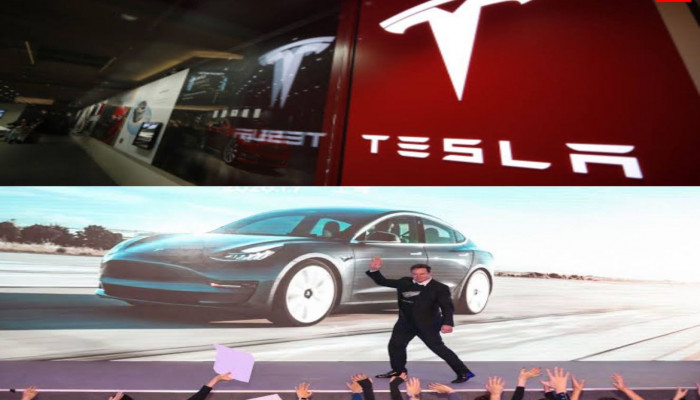
China and the United States are increasingly locking horns over technology, with both sides placing restrictions on each other’s products. This growing tension now extends to the renewable energy sector, especially solar power. According to a Reuters report, Chinese officials have begun early discussions with companies that supply equipment used to manufacture solar panels. These talks are focused on possibly limiting exports of advanced solar manufacturing technology to the United States. Such a move could directly impact the global renewable energy supply chain, where China plays a dominant role.
China currently produces more than 80 per cent of the world’s solar panel components. It is also home to the top ten global suppliers of solar manufacturing equipment. Any restrictions on exporting this equipment would affect the US efforts to build its own domestic solar production capacity. It may also slow down the emerging race in space-based computing, where solar energy is expected to play a key role.
The timing of these potential restrictions is important. The competition between the two countries has now expanded beyond traditional sectors into advanced technologies like space-based computing powered by solar energy. Tesla CEO Elon Musk has been actively focusing on this area. At the same time, major American technology companies such as Google and Amazon are investing in solar power and energy storage systems on Earth. They are also exploring orbital data centres to meet the increasing power needs of artificial intelligence.
A recent research report by Trivium China highlighted concerns about Tesla’s growing ambitions. It stated, "Tesla succeeding in its solar self-sufficiency push could prove a nightmare for China's world-leading solar manufacturers – who would not only lose a major potential customer, but face the emergence of a new competitor at a time when they are already under massive financial pressure." This suggests that China sees Tesla not just as a buyer, but also as a potential competitor in the solar industry.
The report also warned about possible policy actions from Beijing. It said, "Beijing won’t sit idly by as its industrial champions inadvertently aid the industrial policy efforts of rivals actively working to reduce their dependence on Chinese solar supply chains. Don't be surprised if regulators slap new tech export restrictions on solar manufacturing equipment – as they’ve done with the battery industry.” This indicates that China may take active steps to protect its domestic industry and maintain its global leadership.
China’s strength lies in its advanced solar manufacturing equipment. Without access to these tools, companies like Tesla would find it very difficult to set up large-scale solar factories at competitive costs. This makes the potential export restrictions a serious challenge for US plans to expand solar production.
The situation is particularly sensitive for American companies right now. Elon Musk has openly stated his goal of building 100 gigawatts of solar manufacturing capacity in the United States by 2028. Analysts believe that Chinese authorities are cautious about Musk’s strategy. They suspect he may try to take advantage of China’s current industry slowdown, which is marked by overcapacity, to acquire advanced equipment and skilled workers.
Sources have revealed that the discussions in China have specifically focused on high-efficiency equipment. This includes tools used for Heterojunction Technology, also known as HJT, which is crucial for producing next-generation solar panels. Earlier reports indicated that Tesla was planning to purchase equipment worth 2.9 billion dollars from Chinese suppliers, including Suzhou Maxwell Technologies.
Following these developments, regulators reportedly visited Suzhou Maxwell. The discussions were centred on limiting exports of high-end tools required for advanced solar panel production. This shows that the Chinese government is closely monitoring such deals and may intervene if necessary.
The impact of these restrictions could go beyond traditional energy markets. The competition now includes the development of space-based computing systems powered by solar arrays. Tesla is leading efforts in this area, while companies like Google and Amazon are also exploring similar technologies. These orbital data centres are expected to handle the growing energy demands of AI systems.
The broader context of US-China relations adds to the complexity of the situation. If China moves forward with these export controls, it would mark a significant escalation in industrial competition between the two countries. This comes after China’s decision last year to restrict rare earth exports in response to tariffs announced by Donald Trump in April 2025.
The timing is also crucial because both countries are preparing for a high-level summit between President Xi Jinping and Donald Trump in Beijing next month. While both sides have expressed interest in maintaining stable trade relations, the possibility of new restrictions shows that tensions remain strong beneath the surface.
The overall message from both nations is clear. China is willing to use its dominance in solar manufacturing and equipment as a strategic tool. On the other hand, the United States is determined to reduce its dependence on Chinese supply chains and build its own capabilities. This ongoing competition is shaping the future of global energy, technology, and even space-based infrastructure.



 Loading...please wait
Comments