




China using AI-generated social media accounts to influence Taiwan local elections: US report
- In Reports
- 07:25 PM, Nov 28, 2026
- Myind Staff
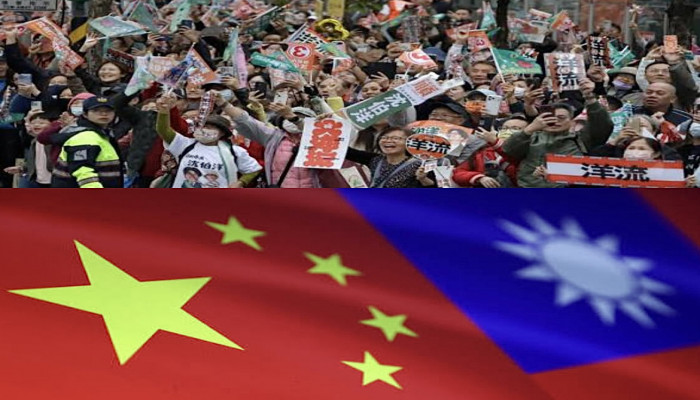
China is allegedly using artificial intelligence (AI)-generated social media accounts to influence public opinion ahead of Taiwan's nine-in-one local elections. The accounts initially post about everyday topics before gradually introducing pro-Beijing messages and criticism of Taiwan's ruling party, according to a US research study reported by The New York Times.
The findings point to a shift in China's alleged disinformation tactics. Instead of relying on conventional propaganda accounts, these operations blend political messages with ordinary social media content to appear more authentic.
Researchers from Vanderbilt University and Taiwan-based non-profit organisation Doublethink Lab identified suspicious accounts discussing food, animals and celebrities. Over time, these accounts began promoting China's position on Taiwan and supporting unification.
The team started investigating China-linked AI disinformation after discovering that Chinese company GoLaxy was developing artificial intelligence tools for advanced influence campaigns.
Using a Vanderbilt-developed tool that identifies differences in language patterns, tone and word choices, researchers detected traditional, hybrid and AI-powered inauthentic activities during October and November.
Some accounts directly targeted Taiwan's ruling Democratic Progressive Party (DPP), accusing it of corruption and poor governance. Others appeared to support the DPP administration but interacted with pro-China accounts to amplify Beijing-aligned narratives.
Researchers also identified accounts described as "cyberborgs", which combine AI-generated images with human-produced content. Some posted during regular business hours, suggesting that individuals could be managing them rather than relying entirely on automation.
The investigation found that certain accounts spent months sharing provocative AI-generated images on Instagram before gradually introducing political messages on Threads as the elections approached. This strategy appeared designed to build credibility and attract followers before entering political discussions.
Vanderbilt University Associate Professor of Political Science and Asian Studies Brett Benson said the campaign demonstrates considerable patience, with synthetic identities being developed over extended periods before being used for political purposes. He noted that AI was making it easier to create convincing online identities and establish credibility within social networks.
The report also drew similarities with previous election interference campaigns in other countries, where entertainment-focused social media accounts helped spread political narratives.
An earlier Vanderbilt study found that GoLaxy was exploring AI-powered hyper-targeted messaging to produce large volumes of content aimed at influencing people with specific viewpoints. However, the latest investigation found no evidence of such targeted operations. Researchers said they would continue monitoring China-linked disinformation activities targeting Taiwan.



 Loading...please wait
Comments