




China tightens control on overseas investments with new national security rules
- In Reports
- 06:54 PM, Jul 01, 2026
- Myind Staff
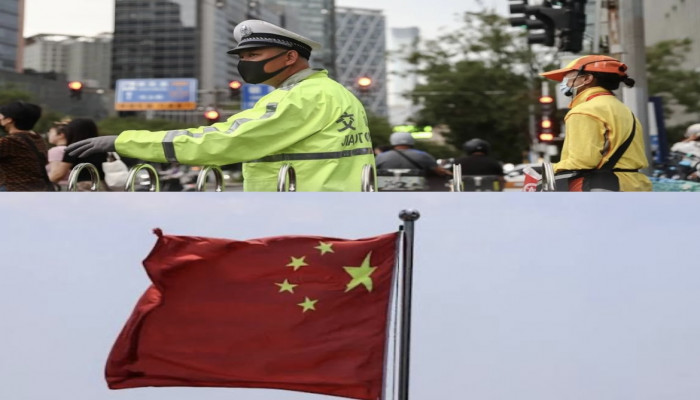
China has introduced a new set of national security regulations that will bring stricter control over investments made outside the country. The rules came into effect on July 1 and give the government wider powers to monitor the movement of capital, technology, services and skilled professionals across its borders. The move comes at a time when competition between China and the United States in advanced technologies continues to grow.
The regulations were first announced on June 1. They provide Chinese authorities with a broad legal framework to oversee outward investments. The government says the measures will improve the way Chinese companies invest abroad while ensuring that national security remains protected. The State Council, China’s Cabinet, said the new measures are intended to “enhance the quality and level of outward investment”.
China considers sectors such as artificial intelligence (AI), computer chips and green technology essential for its economic growth and national strategy. The government has repeatedly promised to strengthen these industries within the country. The new regulations align with the goal by placing greater attention on investments linked to these strategic sectors.
According to the regulations, all outbound investments must follow the “overall national security concept” while aiming to “balance domestic and international considerations”. The rules also allow the government to review investments and transfers that may affect national security. This gives authorities greater power to examine overseas business activities before they move forward.
Some investors have expressed concern over the new framework. They believe the rules could limit China's large technology sector expansion into international markets. Many fear the added scrutiny may slow down overseas partnerships and reduce access to global business opportunities.
China has often viewed cross-border business deals with caution. In April, the country's top economic planning body blocked an attempt by Facebook owner Meta to acquire AI start-up Manus. The start-up was created by a company founded in China but now operates from Singapore. The decision highlighted Beijing’s cautious approach toward transactions involving sensitive technologies and foreign companies.
The latest regulations also expand existing controls on cross-border transfers. Earlier restrictions mainly covered goods and data. The new framework now includes services as well. This means the government can monitor activities such as sending technical experts to work abroad or conducting training programmes outside China. The broader scope gives authorities more oversight over the movement of knowledge and technical expertise.
The US-China Economic and Security Review Commission said on social media this week that the latest decision strengthens a pattern it has observed for several months. The commission believes China has steadily expanded its national security measures to cover a wider range of activities linked to overseas business and technology.
The bipartisan commission also raised concerns about how the new rules could affect foreign companies operating in China. In May, it warned, “as is often the case for China’s national security-related laws, enforcement authorities have immense discretion to determine what constitutes a violation, creating further risk for foreign firms”.
Experts believe the regulations reflect China's effort to safeguard its progress in artificial intelligence as competition with Washington continues. At the same time, they say the new restrictions may reduce China's investment links with other regions.
Alicia Garcia-Herrero, Asia-Pacific chief economist at Natixis, said the measures could have major consequences for Europe. Speaking to AFP, she said, “This is terrible for Europe, because if anybody were to believe that we would rely on China’s open-weight (AI) models, this is wrong – we can’t,” she said, adding that the continent also cannot depend on Chinese talent to develop its own models owing to Beijing’s stringent cross-border curbs.
Garcia-Herrero added that Europe will have to explore new partnerships if it wants to remain competitive in advanced technology. She said countries such as South Korea and Japan could become important partners. According to her, Europe should strengthen ties with these countries “if they want to stand a chance of not becoming too dependent”.
The latest regulations underline China's growing focus on national security while managing overseas investments and technology transfers. The measures also show how the country's technology policies continue to evolve as global competition with the United States shapes investment decisions and international business relations.



 Loading...please wait
Comments