




China steps in with aid as Cuba faces deepening crisis under US sanctions
- In Reports
- 06:28 PM, May 25, 2026
- Myind Staff
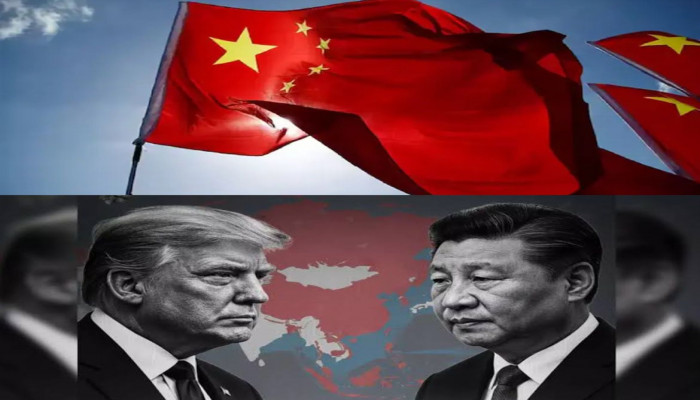
Cuba has received the first shipment of rice from China as the Caribbean island continues to struggle with worsening humanitarian and economic conditions caused by fuel shortages, blackouts and tighter sanctions imposed by the United States. Cuban President Miguel Díaz-Canel said the first load of 15,000 tonnes of rice arrived at the port of Havana a day earlier. The shipment is part of a larger Chinese aid package of around 60,000 tonnes of rice meant to help ease shortages across the country.
In a series of posts on social media platform X, Diaz-Canel thanked China for its support during the crisis. He also expressed appreciation to members of the European Parliament who criticised the pressure campaign faced by Cuba. The Cuban President said the support from China would help people across the country at a time when shortages of food and fuel continue to affect daily life.
Diaz-Canel has repeatedly accused the United States of subjecting Cuba to “collective punishment”. He has also compared the ongoing situation on the island to “genocide”. According to the Cuban government, the latest American sanctions have further damaged the country’s weak economy and added pressure on its already struggling energy sector.
Since returning to office, US President Donald Trump has expanded sanctions on Cuba as part of his tougher foreign policy approach. The restrictions have increased Cuba’s economic difficulties and made the energy crisis more severe. The country has been facing growing shortages of fuel, leading to major disruptions across several sectors.
China has emerged as one of Cuba’s key international partners during the crisis. In recent months, Beijing has supplied solar panels to help modernise Cuba’s ageing electricity grid and reduce dependence on fossil fuels. China’s assistance has become increasingly important as Cuba struggles to secure essential resources.
Cuba imports nearly 60 per cent of its oil supply, according to the International Energy Agency (IEA). However, the Trump administration has sharply restricted oil exports to the island since the beginning of the year. The measures became stronger after Washington launched an operation against Venezuelan President Nicolas Maduro in January.
Trump later announced that oil and financial transfers from Venezuela to Cuba would be halted. He also signed an executive order describing Cuba as an “unusual and extraordinary threat” to the United States. The US President further warned countries against supplying oil to the island nation.
According to an Al Jazeera report, Cuba’s Energy Minister Vicente de la O Levy said earlier this month that the country had exhausted its oil supplies. The shortage has led to nationwide power cuts and disrupted transport, healthcare and several public services. Many parts of the country continue to face long blackouts as the government struggles to manage the situation.
Despite the worsening crisis, the Trump administration has continued to pressure Cuba’s communist government. Reports have suggested that Washington wants leadership changes in Havana and has even discussed possible military options. The continued sanctions have increased tensions between the two countries and added to fears of further instability in the region.
Diaz-Canel, however, rejected what he called the US “maximum pressure” strategy. He said Cuba would continue strengthening ties with China in response to growing American pressure. The Cuban government believes cooperation with China will help the country deal with the economic crisis and reduce the impact of the sanctions imposed by the United States.



 Loading...please wait
Comments