




China secures Kenyan airport expansion project after Adani fallout
- In Reports
- 07:16 PM, Jun 11, 2026
- Myind Staff
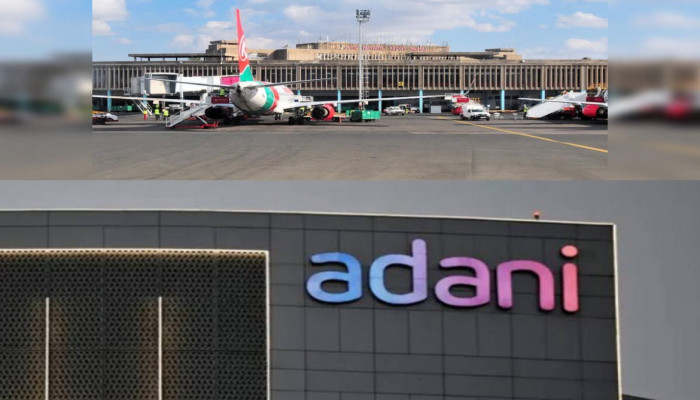
Kenya has selected a Chinese company to carry out a major upgrade of its largest airport, nearly two years after scrapping a proposed deal with India's Adani Group. According to people familiar with the matter, the East African nation has awarded a $2.9 billion engineering, procurement and construction contract to China Communications Construction Co. (CCCC) for the expansion and modernisation of Jomo Kenyatta International Airport (JKIA).
The agreement strengthens the position of Chinese firms in Kenya's infrastructure sector. CCCC is already involved in several large-scale projects across the country. These include a new railway line, a 60,000-seat stadium, a toll road and a convention centre. The latest airport contract adds another significant project to the company's growing portfolio in Kenya.
Sources said the airport expansion will be partially financed through funds generated from privatisation efforts. The money will be invested through a newly established National Infrastructure Fund. Construction work on the project is expected to begin later this month.
Kenya also plans to raise additional funding through commercial loans. These loans will be backed by securitising an air-passenger service charge collected from travellers using the airport. The financing model is expected to help the government manage the project's high cost while ensuring work progresses as planned.
Officials have not publicly commented on the development. Kenyan Transport Secretary Davis Chirchir didn’t respond to a request for comment. Representatives of the state-owned CCCC didn’t immediately respond to a similar request.
The decision comes after a controversial airport proposal involving Indian billionaire Gautam Adani was scrapped in 2024. Adani Group had submitted an unsolicited bid worth $2.6 billion to operate Nairobi's main airport for a period of 30 years. The proposal quickly became a subject of public debate and faced strong opposition.
The planned concession triggered protests from several groups and led to a strike by aviation workers. Critics raised concerns over the long-term management of a key national asset. The growing opposition eventually forced President William Ruto's government to withdraw and cancel the deal.
Jomo Kenyatta International Airport has long served as one of East Africa's most important aviation hubs. However, increasing competition from neighbouring countries has pushed Kenya to accelerate efforts to modernise the facility and improve its capacity.
Ethiopia has emerged as a strong competitor in the regional aviation sector. The country operates Africa's largest airline and is planning the construction of a new airport near its capital city. The proposed facility is expected to cost around $12.5 billion and will significantly expand Ethiopia's aviation infrastructure.
Rwanda is also investing heavily in its aviation sector. The country is building a new airport in partnership with Gulf carrier Qatar Airways. The project is aimed at strengthening Rwanda's position as a regional transport and travel hub.
Against this backdrop, Kenya's decision to move ahead with the JKIA expansion is seen as part of a broader effort to maintain its status as a leading aviation gateway in East Africa. With construction expected to begin soon, the project represents one of the country's biggest infrastructure investments and further highlights China's growing role in shaping Kenya's development plans.



 Loading...please wait
Comments