




China detaining Panama-flagged ship amid Panama Canal control row: FMC
- In Reports
- 04:40 PM, Mar 27, 2026
- Myind Staff
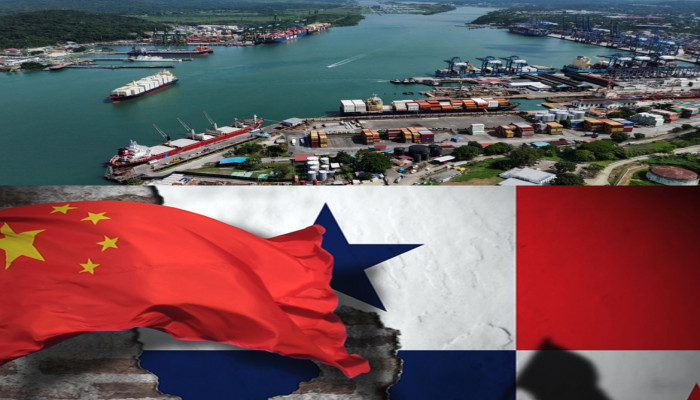
The United States Federal Maritime Commission (FMC) has said it is closely observing a sharp rise in the detention of Panama-flagged vessels in China. This development appears to be linked to a recent court ruling in Panama against Hong Kong-based CK Hutchison, which has long been involved in operating key ports around the Panama Canal.
In late January, Panama’s Supreme Court struck down the legal framework that had supported a 1997 concession granted to CK Hutchison. This concession allowed the company’s subsidiary, Panama Ports Company, to operate the Balboa and Cristobal terminals located on the Pacific and Atlantic ends of the Panama Canal. These ports are considered highly strategic due to their location along one of the world’s most important maritime trade routes.
Following the court’s decision, the Panamanian government moved quickly to appoint new interim operators for the terminals. U.S.-linked firms, including Maersk’s APM Terminals and Mediterranean Shipping Company’s Terminal Investment Limited, were given control under temporary agreements lasting 18 months. This shift in management came after increasing pressure from the United States, which has been concerned about China’s growing influence in the region surrounding the canal. The Panama Canal handles nearly 5 per cent of global maritime trade, making control of its ports geopolitically significant.
Amid these developments, China has reportedly stepped up inspections and detentions of ships registered under Panama’s flag. According to a report by Lloyd’s List Intelligence, the number of such detentions has surged well beyond normal levels, reaching nearly 70 cases since March 8. The FMC has taken note of this unusual increase and is evaluating its possible implications for international shipping and trade.
Laura DiBella, chair of the FMC, addressed the situation in a statement. She said, "These intensified inspections were carried out under informal directives and appear intended to punish Panama after the transfer of Hutchison’s port assets." Her remarks suggest that the actions may not be routine enforcement measures but could instead be politically motivated.
DiBella further warned about the broader impact of these actions, particularly on U.S. trade. She stated, "Given that Panama-flagged ships carry a meaningful share of U.S. containerised trade, these actions could result in significant commercial and strategic consequences to U.S. shipping." She also highlighted that the FMC has the legal authority to investigate whether foreign government practices are harming U.S. trade interests.
At the same time, China’s Ministry of Transport has reportedly called representatives from Maersk and MSC to Beijing for high-level discussions. This move indicates that China is actively engaging with the companies now managing the ports, possibly to address concerns or assert its position in the ongoing dispute.
CK Hutchison has strongly opposed the Panama court’s decision. The company has accused Panamanian authorities of unlawfully seizing its assets and has initiated international arbitration proceedings. It is seeking damages exceeding $2 billion, arguing that the termination of its long-standing concession was unjustified.
The dispute has also created complications for CK Hutchison’s broader business plans. The company had been preparing a $23 billion deal to sell a majority stake in its global ports operations to a consortium led by BlackRock and MSC. However, the legal and political tensions surrounding the Panama ports have cast uncertainty over the future of this transaction.
Overall, the situation highlights rising geopolitical tensions linked to global trade routes. The developments around the Panama Canal, combined with China’s response, are being closely watched as they may have lasting effects on international shipping dynamics.



 Loading...please wait
Comments