




China blacklists six US firms, tightens drone export rules as trade tensions rise
- In Reports
- 07:55 PM, Aug 05, 2026
- Myind Staff
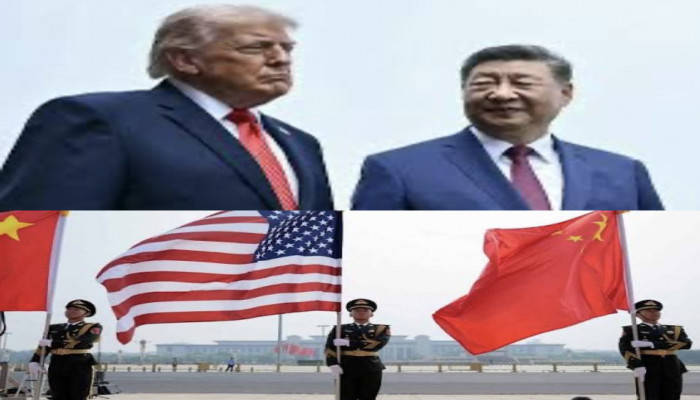
China on Wednesday announced a series of economic countermeasures against the United States. The measures include placing six American companies on a sanctions blacklist and imposing stricter export controls on drones and related technology sent to the US. The announcement came after Washington introduced fresh trade restrictions linked to forced labour and national security concerns.
The latest Chinese action also follows a new round of tariffs announced by the United States. The tariffs target China along with more than 50 other countries. US President Donald Trump defended the move as part of his broader trade policy. He said the tariffs were necessary to address trade deficits that were “unfair” to Washington.
Responding to the US decision, China criticised the new trade measures and announced retaliatory steps. A spokesperson for China’s Commerce Ministry said the US had harmed China’s interests through its latest actions. The spokesperson stated, “The US actions ‘seriously harm China’s legitimate rights and interests.’”
The spokesperson further added, “China can only take necessary countermeasures in response, including strengthening export controls on drones and their key components and technology to the US.” China said it would tighten restrictions on the export of drones, important drone components and related technologies destined for the American market.
Apart from drone export controls, China also introduced several enforcement measures. The Commerce Ministry suspended factory follow-up inspections carried out by domestic certification bodies. It also blacklisted US compliance testing firms operating in China. In addition, authorities launched national security investigations into imports of office copiers and printers from the United States.
Beijing also imposed sanctions on six American companies. These include biotechnology company Applied DNA Sciences and geoscience research firm Stratum Reservoir. Under the sanctions, Chinese individuals and organisations are prohibited from carrying out “engaging in relevant transactions, cooperation, or other activities with them.”
China’s Commerce Ministry said the companies were being targeted for their alleged involvement in supporting US sanctions linked to Xinjiang. The ministry stated that the six blacklisted firms “have assisted and supported illegal US sanctions related to Xinjiang; the nature of their actions is egregious.”
The Xinjiang issue has remained one of the major points of disagreement between China and several Western countries. The United Nations has previously warned that possible crimes against humanity may have taken place in Xinjiang against the predominantly Muslim Uyghur minority. China has repeatedly rejected these allegations and denied any wrongdoing in the region.
China also raised its concerns directly with the United States through diplomatic channels. According to Chinese state news agency Xinhua, China’s senior trade envoy He Lifeng held a telephone conversation with US Trade Representative Jamieson Greer. During the discussion, He Lifeng expressed “serious concern” over Washington’s latest trade restrictions.
The latest dispute comes after another disagreement between the two countries over technology and manufacturing. Earlier, Beijing accused Washington of attempting to “suppress” Chinese businesses. The accusation followed a US decision to ban imports of humanoid and quadruped robots manufactured outside its borders. China viewed the move as another attempt to restrict the growth of its technology sector.
The recent US tariffs were introduced over the use of forced labour. These were introduced after the US Supreme Court had struck down reciprocal tariffs imposed under the International Emergency Economic Powers Act. After the court’s decision, the US administration introduced temporary tariffs of 10 per cent. These tariffs were limited to a period of 150 days and expired last month.
Trade relations between the United States and China had shown signs of improvement after a meeting between President Donald Trump and Chinese President Xi Jinping last October. That meeting had helped reduce tensions between the two countries and created hopes of greater stability in economic relations.
However, the latest developments indicate that differences over trade, national security and export controls continue to shape ties between Washington and Beijing. China’s decision to blacklist American companies, tighten drone export rules and launch new investigations reflects its willingness to respond firmly to US trade measures.
The renewed tensions also come at an important diplomatic moment. Chinese President Xi Jinping is scheduled to visit the United States on September 24. The visit is expected to provide an opportunity for both countries to discuss the growing trade dispute and other issues affecting bilateral relations. However, the latest exchange of tariffs, sanctions and export restrictions highlights that significant differences remain unresolved ahead of the high-level meeting.



 Loading...please wait
Comments