




Chile, Burkina Faso emerge as key gold suppliers to India amid import slump
- In Reports
- 06:55 PM, Oct 29, 2026
- Myind Staff
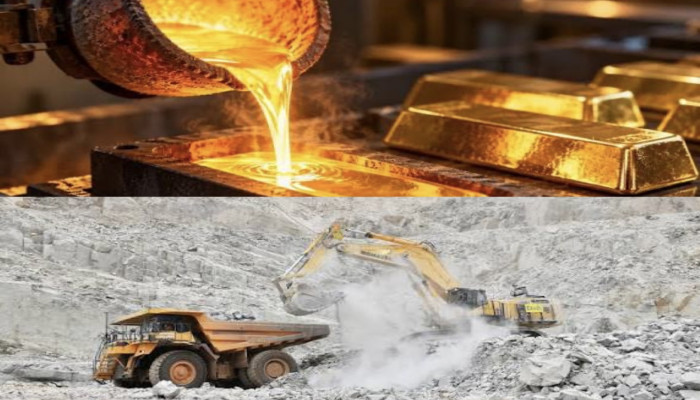
India is shifting its gold sourcing as the West Asia conflict and higher import duties reshape trade patterns. Chile and Burkina Faso are gaining importance as domestic refiners increasingly import partially refined gold, known as doré, directly from mining countries instead of buying finished bullion.
India's overall gold imports fell 27.3% to $19.27 billion during April-September, compared with $26.51 billion a year earlier, according to commerce ministry data. Imports plunged 81.3% to $1.8 billion in September.
However, imports from Chile rose nearly 59% to $769 million, while those from Burkina Faso surged 314% to $168.4 million under the narrower gold commodity category. Physical import quantities increased 87.3% from Chile and 235.6% from Burkina Faso. Chile's share rose from 1.8% to 5.6%, while Burkina Faso's share climbed from 0.15% to 1.2%.
Niladri N Bhattacharjee, partner and metal and mining industry leader at Grant Thornton Bharat, linked the changing pattern to India's growing preference for importing gold doré directly from mining countries.
"India's sourcing pattern is gradually changing as domestic refiners increasingly import gold doré directly from mining countries instead of relying entirely on refined bullion supplied through global trading and refining hubs," Bhattacharjee said.
Gold doré undergoes further processing at domestic refineries to produce high-purity bullion. Following the May 13 duty increase, refined gold attracts a 15% levy, compared with 14.35% on doré imports. This 0.65-percentage-point difference encourages domestic refiners to import doré and process it locally.
Burkina Faso's growing role coincides with rising gold production. West African Resources' Kiaka mine began production in June 2025, while Orezone Gold's Bomboré mine expanded operations after commissioning its hard-rock processing plant in early 2026. Bomboré produced around 110,000 ounces in 2025 and had reached 116,000 ounces by September 2026, Bhattacharjee said. The World Gold Council reported a 17% year-on-year increase in Burkina Faso's mine production in the second quarter of 2026.
In Chile, Gold Fields' Salares Norte mine, which began operations in 2024, has supported production growth. After initial delays, the mine reported a 173% increase in gold-equivalent output to 337,000 ounces in the first half of 2026. Chile's mine production rose 24% year-on-year in the second quarter, according to the World Gold Council. However, available trade data do not confirm whether India's shipments originated from these specific mines.
India's organised gold-refining capacity grew from around 300 tonnes in 2013 to 1,800 tonnes in 2021, according to a World Gold Council study, reflecting long-term changes in domestic refining economics.
Bhattacharjee cautioned that lower imports may not deliver equivalent foreign-exchange savings due to rupee depreciation, deferred purchases and the risk of unofficial inflows due to higher duties. He also considered an immediate duty reduction unlikely as the government seeks to moderate gold purchases. The World Gold Council attributed part of September's import decline to increased domestic recycled-gold supplies.



 Loading...please wait
Comments