




Centre’s big move, insulting ‘Vande Mataram’ can soon lead to imprisonment
- In Reports
- 05:25 PM, May 06, 2026
- Myind Staff
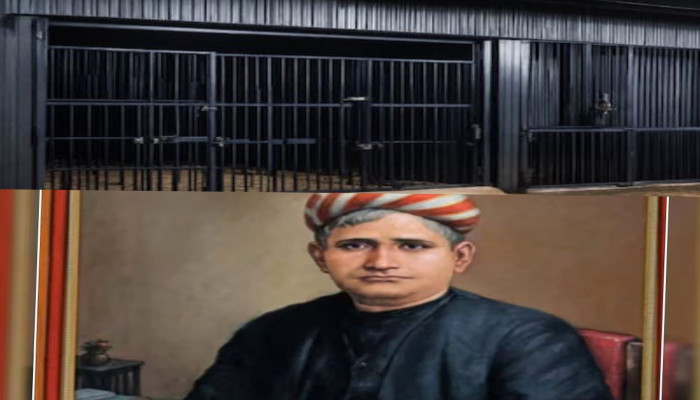
The Centre has taken a major step to grant the national song ‘Vande Mataram’ the same legal status as the national anthem ‘Jana Gana Mana’. This decision was approved during a cabinet meeting chaired by Prime Minister Narendra Modi on Tuesday. With this move, insulting ‘Vande Mataram’ could soon lead to imprisonment, similar to the punishment for disrespecting the national anthem.
The cabinet has cleared a proposal to amend the Prevention of Insults to National Honour Act, 1971. The amendment will be made to Section 3 of the Act. Once implemented, ‘Vande Mataram’ will receive the same level of protection as the national anthem under the law. This means that any act of disrespect or disruption during its singing will attract legal consequences.
‘Vande Mataram’, written by Bankim Chandra Chattopadhyay, holds deep historical and cultural significance in India. The proposed change aims to formally recognise this importance by placing it on par with ‘Jana Gana Mana’ in terms of legal safeguards. At present, the law mainly focuses on protecting the national anthem, the national flag, and the Constitution from disrespect.
Under the existing provisions of the law, any person who intentionally disrupts or prevents the singing of the national anthem can face punishment. "Whoever intentionally prevents the singing of the Indian National Anthem or causes disturbance to any assembly engaged in such singing shall be punished with imprisonment for a term which may extend to three years, or with a fine, or with both," as per the present rules. This same rule will now be extended to cover ‘Vande Mataram’ as well, once the amendment comes into force.
The law also has stricter provisions for repeat offenders. If a person commits the same offence again, they can face a minimum imprisonment of one year. These penalties are already applicable in cases involving the national anthem. With the proposed changes, similar consequences will apply to acts considered disrespectful towards ‘Vande Mataram’.
This is not the first time the Act has been amended to strengthen protections around national symbols. In 2005, changes were introduced to prevent the disrespectful use of the Indian tricolour. The amendment made it illegal to use the flag in inappropriate ways, such as wearing it below the waist or printing it on items like handkerchiefs and cushions. These measures were aimed at preserving the dignity of the national flag.
The cabinet’s latest decision comes shortly after a major political development in West Bengal. The Bharatiya Janata Party achieved a historic victory in the state’s assembly elections. The party won 207 out of 294 seats, marking its first win in the region. This result significantly reduced the strength of All India Trinamool Congress, led by Mamata Banerjee, which secured 80 seats.
The discussion around granting ‘Vande Mataram’ equal status is not entirely new. In December last year, Parliament held a special discussion to mark the ‘150th Year of Vande Mataram’. During that session, several members raised the demand to give the song the same recognition and protection as the national anthem. The recent cabinet approval appears to be a step in that direction.
Overall, the move signals the Centre’s intent to strengthen legal protection for symbols that hold national importance. By bringing ‘Vande Mataram’ under the same legal framework as the national anthem, the government aims to ensure that it is treated with equal respect and dignity. The amendment, once passed, will make any form of insult or disruption during its rendition a punishable offence under the law.



 Loading...please wait
Comments