




Centre designates 23 Pakistan-based JeM, LeT operatives as Terrorists Under UAPA
- In Reports
- 05:32 PM, Jul 04, 2026
- Myind Staff
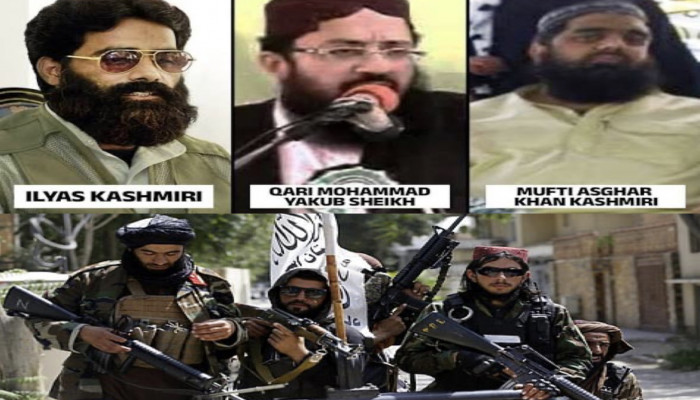
The Ministry of Home Affairs (MHA) has designated 23 Pakistan-based individuals as terrorists under the Unlawful Activities (Prevention) Act (UAPA). The Centre issued a gazette notification and added their names to the Fourth Schedule of the UAPA under Section 35. Authorities accused these individuals of involvement in terrorism, infiltration, arms smuggling and terror attacks in Jammu and Kashmir. The decision marks another major step in India's action against Pakistan-backed terror networks.
The newly designated individuals include several senior members of Pakistan-based terrorist organisations Jaish-e-Mohammed (JeM) and Lashkar-e-Taiba (LeT). Officials said the move strengthens India's legal action against those involved in planning and supporting terrorist activities targeting the country.
Among the prominent names is Masood Ilyas Kashmiri, a senior Jaish-e-Mohammed operative. Investigators accused him of planning the 2022 Sunjwan terror attack near Jammu. The attack took place just days before Prime Minister Narendra Modi's scheduled visit to the Union Territory. According to investigators, the attack was allegedly part of a larger plot to target civilians, which was foiled after security forces neutralised two Pakistani fidayeen terrorists.
The notification also names Mohammad Mussadiq, whom investigators identify as a Jaish-e-Mohammed handler. Authorities accused him of coordinating infiltration operations and facilitating the supply of arms and ammunition into India through drones. Officials believe he played an important role in supporting cross-border terror activities.
Another key individual on the list is Mufti Muhammad Asghar Khan. Authorities have designated him for his alleged role as the mastermind of the 2016 Nagrota Army camp attack. Investigators stated that he was involved in providing logistical support for multiple terror operations in Jammu and Kashmir.
The Centre also included Hafiz Abdul Shakoor, also known as Qari Zarrar, and Abdullah Jehadi in the notification. Authorities alleged that both men managed Jaish-e-Mohammed's infiltration routes, launching pads and terrorist training networks operating across the border. Officials believe they played a significant role in helping terrorists enter India and carry out attacks.
Another person named in the notification is Firdous Ahmad Bhat, an alleged Lashkar-e-Taiba launching commander. Authorities accused him of helping foreign terrorists move into Jammu and Kashmir and supplying weapons to militants active in the region.
Apart from these senior operatives, the Centre also designated Ghulam Fareed, Bilal Ahmad Mir, Abid Quyoom Lone, Nazir Ahmed Gujjar, Abdul Rauf, Ashfaq Ahmad, Hafiz Khalid Waleed, Maulana Saifullah Khalid, Mohammad Yaqoob, Molana Yousaf Taibi, Owais Farooz, Qari Yaqub Sheikh, Rana Iftikhar, Waseem Noor Jat, Mohammed Shaheed Faisal, Maulana Imdad Ullah Makki and Haroon Rashid Ganai as terrorists under the UAPA. Authorities linked these individuals to different roles within Pakistan-based terror networks.
Officials said the latest notification gives India stronger legal support to pursue action against the accused. Sources indicated that the next step could involve seeking Letters Rogatory through courts. This legal process would request Pakistani authorities to hand over the designated terrorists so Indian agencies can prosecute them.
Officials also noted that India has shared evidence against several Pakistan-based terrorists in the past. However, Islamabad has largely failed to act on those requests. The Centre now aims to strengthen its legal efforts against individuals who continue to support terrorism from across the border.
The latest notification forms part of India's wider strategy to tighten the legal framework against Pakistan-based terror masterminds. Authorities also aim to dismantle networks involved in terror financing, recruitment, infiltration and attacks targeting civilians and security forces. The government believes the move will further strengthen India's fight against cross-border terrorism and improve its ability to take legal action against those responsible for planning and supporting terror activities.



 Loading...please wait
Comments