




Centre clears Rs 1.25 lakh crore plan to fast-track India's Semiconductor Mission 2.0
- In Reports
- 05:54 PM, Jun 30, 2026
- Myind Staff
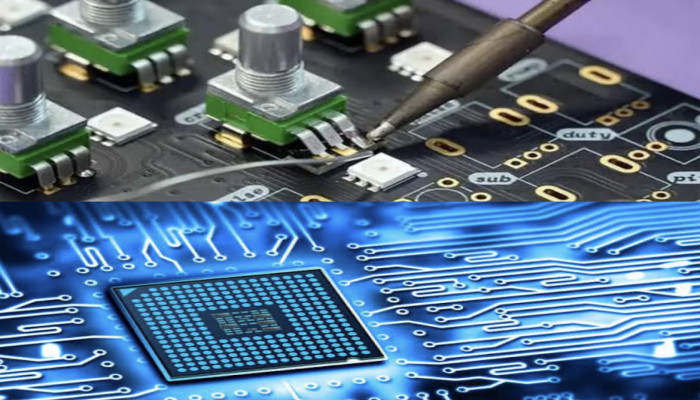
India has taken another major step towards becoming a global semiconductor manufacturing hub. The Expenditure Department under the Finance Ministry has cleared a Budget proposal of Rs 1.25 lakh crore for the India Semiconductor Mission (ISM) 2.0. The proposal now awaits approval from the Union Cabinet. The new allocation is much higher than the Rs 76,000 crore provided under ISM 1.0. This move reflects the government's stronger push to build a complete semiconductor ecosystem in the country.
According to sources, the Expenditure Finance Committee has approved the Rs 1.25 lakh crore outlay for ISM 2.0. The proposal will now go before the Cabinet for final approval. The government announced the second phase of the India Semiconductor Mission in the Union Budget 2026-27. It aims to strengthen India's manufacturing capabilities and support the growth of the semiconductor industry.
The government has said that India Semiconductor Mission 2.0 shows the country's long-term commitment to chip manufacturing. The mission will focus on semiconductor equipment, materials, indigenous intellectual property, and strong supply chains. It also aims to reduce India's dependence on imports and build a competitive semiconductor industry within the country.
Union Minister for Electronics and IT Ashwini Vaishnaw had earlier said that the India Semiconductor Mission 2.0 will prioritise indigenous chip design, productisation, attracting ecosystem partners and development of talent. The mission will encourage companies to develop technology in India and help create a skilled workforce for the semiconductor sector.
The government has already approved 12 semiconductor manufacturing projects under the India Semiconductor Mission. These projects together have an investment pipeline of around Rs 1.64 lakh crore. They include one semiconductor fabrication unit, two compound semiconductor fabrication units, and nine packaging units. These projects are expected to strengthen India's manufacturing capacity and support the country's growing electronics industry.
India has also made steady progress in semiconductor design. The government is supporting 24 projects under the Design Linked Incentive (DLI) Scheme. It has also helped 105 companies access advanced chip design tools. In addition, 23 design "tapeouts" have been completed at different foundries, including advanced technology nodes. These achievements highlight the country's growing capabilities in semiconductor design and innovation.
A senior IT Ministry official described the recent developments as the fulfilment of India's long-standing ambition in semiconductor manufacturing. The official said, "CG Semi's inauguration is scheduled for July 4...and then probably one or two more (will happen) before the end of this calendar year, so our dream of having commercial semiconductor manufacturing in the country has finally been achieved." The official also added that more semiconductor projects are expected to come up in the future.
The official further said that 12 semiconductor manufacturing projects have received approval. Out of these, two projects have already started commercial manufacturing after being inaugurated earlier this year. Another project, CG Semi, is likely to be inaugurated later this week. These developments mark a major milestone in India's efforts to establish domestic semiconductor production.
The government believes these projects will help India become an important destination for global semiconductor companies. They are expected to attract more investment, improve local manufacturing, and strengthen the country's position in the global technology supply chain. The mission also supports the development of semiconductor equipment, materials, and home-grown technologies. This approach will help create a stronger and more self-reliant semiconductor ecosystem.
The senior IT Ministry official also said that India has emerged as a key player in the global technology landscape. The official stated that the country has become "a voice to reckon with" on standards. This reflects India's growing influence in setting global technology benchmarks and contributing to the future of the semiconductor industry.
With a much larger financial commitment under ISM 2.0, the government has shown its intention to accelerate semiconductor manufacturing in India. The higher allocation, ongoing projects, and focus on chip design, talent development, and supply chains are expected to strengthen India's position as a global semiconductor hub in the coming years.



 Loading...please wait
Comments